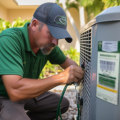
Duct cleaning is a process that involves the thorough cleaning of various components of your heating and cooling system, including the air ducts, registers, grilles, and other associated parts. Over time, these areas can accumulate dust, dirt, allergens, and other contaminants that may negatively impact indoor air quality. Understanding what duct cleaning entails is crucial for homeowners who are concerned about the air they breathe and the overall health of their living environment.The primary purpose of duct cleaning is to remove these build-ups to ensure that your HVAC system operates efficiently and effectively. When air ducts are clogged with debris, it can restrict airflow, making your heating and cooling systems work harder to maintain desired temperatures.
This not only leads to increased energy consumption but can also shorten the lifespan of your HVAC equipment. Therefore, regular vent cleaning can be seen as a preventive measure that contributes to both energy efficiency and system longevity.Moreover, duct cleaning can have significant benefits for individuals with allergies or respiratory issues. By eliminating dust mites, pet dander, mold spores, and other potential allergens from your air ducts, you can create a healthier indoor environment. However, it’s essential to approach duct cleaning with a clear understanding of its processes and implications.
Not all duct cleaning services are created equal; therefore, knowing what to expect during the vent cleaning process is vital for ensuring that you receive quality service.In the following sections, we will delve deeper into the specifics of duct cleaning, exploring common myths surrounding it and providing insights into when it may be necessary. By arming yourself with knowledge about duct cleaning, you can make informed decisions that enhance your home’s air quality and overall comfort.
Common Myths About Duct Cleaning
When it comes to duct cleaning, numerous myths and misconceptions can cloud the judgment of homeowners. Understanding these myths is essential for making informed decisions about your indoor air quality. Here, we will debunk some of the most common myths surrounding vent cleaning.- Myth 1: Duct Cleaning is Always Necessary
Many believe that duct cleaning should be performed regularly, similar to changing air filters.However, the Environmental Protection Agency (EPA) does not endorse routine duct cleaning. Instead, it recommends cleaning only when there is visible mold growth or an excessive accumulation of dust and debris.
- Myth 2: Duct Cleaning Improves Air Quality Significantly
While it’s true that cleaning ducts can remove some contaminants, studies show that the impact on overall indoor air quality is often minimal. Most pollutants enter homes through everyday activities like cooking and cleaning, making duct cleaning just one piece of a larger puzzle. - Myth 3: All Duct Cleaning Services are the Same
Not all duct cleaning services adhere to the same standards. Some may use inadequate methods that can actually exacerbate the problem by releasing more dust into your home.It’s crucial to choose a reputable service provider who follows industry best practices.
- Myth 4: Duct Cleaning Can Eliminate Allergies
While removing dust and allergens from ducts may help some individuals, it is not a cure-all for allergies. Allergens can come from various sources, including pets and outdoor pollutants. Addressing these sources is often more effective than solely relying on duct cleaning. - Myth 5: Duct Cleaning is a DIY Task
Some homeowners attempt to clean their ducts themselves, believing it to be a simple task. However, improper cleaning can lead to damage or even health risks due to the release of trapped contaminants.Professional services are recommended for thorough and safe cleaning.
The Role of Duct Cleaning in Indoor Air Quality
Understanding the relationship between duct cleaning and indoor air quality is crucial for homeowners who are concerned about the health implications of their living environment. While many people assume that cleaning air ducts will automatically lead to better air quality, the reality is more nuanced.Indoor air pollution can stem from a variety of sources, including:- Household Activities: Everyday activities such as cooking, cleaning, and even using personal care products can release volatile organic compounds (VOCs) and other pollutants into the air.
- Building Materials: Many homes contain materials that can emit harmful substances, such as formaldehyde from pressed wood products or asbestos from older insulation.
- Pests: Rodents and insects can contribute to indoor air pollution through their droppings and decaying bodies.
- Mold and Mildew: Areas with high humidity can foster mold growth, which releases spores into the air that can trigger allergies and respiratory issues.
In fact, most of the dust and particles in ducts do not circulate into living spaces but rather settle on surfaces.Moreover, if your home has underlying issues such as poor ventilation or moisture problems, simply cleaning the ducts will not resolve these concerns. For instance, if your HVAC system is not functioning correctly or if there are leaks in your ductwork, contaminants can still enter your indoor environment regardless of how clean your ducts are.When considering duct cleaning, it’s vital to evaluate whether it addresses specific health concerns. If you or your family members suffer from allergies or respiratory conditions, it may be more beneficial to focus on eliminating other sources of indoor pollution first. Regular maintenance of your HVAC system, including changing filters and ensuring proper airflow, can significantly impact indoor air quality.In conclusion, while duct cleaning can play a role in maintaining a clean home environment, it should not be viewed as a cure-all for improving indoor air quality.
A comprehensive approach that includes identifying and mitigating various sources of pollution will yield better results for your health and well-being.
When Is Duct Cleaning Necessary?
Understanding when duct cleaning is necessary can significantly enhance your home's air quality and the efficiency of your HVAC system. While not every household requires frequent duct cleaning, there are specific signs that indicate it may be time to schedule a professional service.- Visible Dust and Debris: If you notice a significant accumulation of dust around your home, particularly on vents or registers, this could be a sign that your ducts are dirty. Dust buildup can circulate through your HVAC system, affecting air quality.
- Unpleasant Odors: Foul smells emanating from your vents can indicate mold growth or other contaminants within the ductwork. If you detect musty or stale odors, it’s advisable to have your ducts inspected and cleaned.
- Increased Allergies or Respiratory Issues: If you or your family members experience heightened allergy symptoms or respiratory problems, dirty ducts may be contributing to these issues.
Pollutants trapped in the ductwork can exacerbate existing health conditions.
- Recent Renovations: Home renovations can introduce a significant amount of dust and debris into your HVAC system. If you've recently remodeled or done extensive work in your home, consider having your ducts cleaned to remove any construction-related contaminants.
- Pest Infestations: The presence of rodents or insects in your home can lead to debris and droppings accumulating in the ductwork. If you suspect pests have invaded your home, it’s crucial to address this issue promptly and clean the ducts afterward.
This timeframe can vary based on factors such as:
- The presence of pets, which can increase hair and dander in the system.
- Your geographical location; areas with high levels of dust or pollen may require more frequent cleaning.
- The overall condition of your HVAC system; older systems may accumulate dirt more quickly.
Choosing a Qualified Duct Cleaning Service
When it comes to vent cleaning, selecting a qualified service provider is crucial for ensuring the job is done effectively and safely. With numerous companies offering duct cleaning services, it can be challenging to determine which ones are reputable and trustworthy. Here are some essential tips to help you choose the right duct cleaning service.1.Research and Reviews
- Start by conducting online research.
Look for companies in your area that specialize in duct cleaning.
- Check customer reviews on platforms like Google, Yelp, or Angie's List. Pay attention to both positive and negative feedback to get a balanced view.
- Ask friends, family, or neighbors for recommendations based on their experiences.
2.Verify Credentials
- Ensure that the company is licensed and insured. This protects you from liability in case of accidents during the cleaning process.
- Look for certifications from recognized organizations, such as the National Air Duct Cleaners Association (NADCA). These certifications indicate that the company adheres to industry standards.
3.Inquire About Their Process
- Ask potential service providers about their duct cleaning methods.
A reputable company should use advanced equipment and techniques to ensure thorough cleaning.
- Inquire whether they follow guidelines set by the EPA or NADCA, as these organizations provide best practices for duct cleaning.
4.Questions to Ask
- Before hiring a duct cleaning service, consider asking the following questions:
- What specific services do you offer?
- How long have you been in business?
- Can you provide references from previous clients?
- What is your pricing structure? Are there any hidden fees?
- Do you offer any guarantees or warranties on your work?
5.Get Multiple Estimates
It’s wise to obtain estimates from several companies before making a decision. This not only gives you an idea of the average cost but also allows you to compare services offered by different providers. Be cautious of prices that seem too good to be true; they may indicate subpar service or hidden costs.
6.Trust Your Instincts
If something feels off during your interactions with a company—whether it’s their communication style or their willingness to answer questions—trust your instincts. A reliable duct cleaning service should be transparent and willing to address any concerns you may have.By following these guidelines, you can enhance your chances of hiring a qualified duct cleaning service that meets your needs and ensures a cleaner, healthier indoor environment.
Potential Risks of Improper Duct Cleaning
While duct cleaning can offer benefits, it is crucial to understand the potential risks associated with improper practices.Engaging unqualified service providers or attempting DIY cleaning can lead to a range of issues that may compromise your indoor air quality and even damage your HVAC system.
1.Release of Contaminants
One of the most significant dangers of improper vent cleaning is the potential release of dust, mold spores, and other contaminants back into your living space. If ducts are not cleaned correctly, the debris that has settled within them can be disturbed and blown into the air you breathe. This can exacerbate allergies and respiratory issues, negating any benefits you might have hoped to achieve through cleaning.
2.Damage to Ductwork
Improper cleaning techniques can also cause physical damage to your ductwork. For instance, using high-pressure air or aggressive brushes can create tears or loosen joints in the ducts, leading to air leaks.
These leaks not only reduce the efficiency of your heating and cooling systems but can also allow contaminants from unconditioned spaces (like attics or crawl spaces) to enter your home.
3.Increased Energy Costs
If your ductwork is damaged or if contaminants are allowed to circulate freely, your HVAC system will have to work harder to maintain desired temperatures. This increased workload can lead to higher energy bills and may shorten the lifespan of your heating and cooling equipment.
4.Chemical Exposure
Some service providers may recommend using chemical biocides or other treatments during the cleaning process. However, these chemicals can pose health risks if not used properly. Without thorough research and understanding of their effects, you could inadvertently introduce harmful substances into your home environment.
5.Incomplete Cleaning
A common issue with subpar duct cleaning services is that they may not fully address all areas of contamination.
Incomplete cleaning can leave behind dust and allergens, which will continue to circulate in your home, undermining any efforts made to improve air quality.In conclusion, while duct cleaning can be beneficial when done correctly, it is essential to choose a qualified professional who adheres to industry standards. By doing so, you minimize the risks associated with improper practices and ensure a healthier indoor environment for you and your family.
Alternative Solutions for Improving Indoor Air Quality
While duct cleaning is often considered a go-to solution for improving indoor air quality, there are numerous alternative methods that can be equally effective, if not more so. These alternatives focus on addressing the root causes of poor air quality and implementing proactive measures to create a healthier living environment.1.Regular Maintenance of HVAC Systems
- Ensure that your heating, ventilation, and air conditioning (HVAC) systems are regularly maintained. This includes changing filters every 1-3 months, depending on usage and the type of filter.
- Schedule annual inspections with a qualified technician to check for any issues that could affect air quality, such as leaks or mold growth.
2.Use of Air Purifiers
- Investing in high-quality air purifiers can significantly reduce airborne pollutants.
Look for models equipped with HEPA filters, which can capture particles as small as 0.3 microns.
- Place air purifiers in high-traffic areas or rooms where you spend the most time, such as bedrooms and living rooms.
3.Enhance Ventilation
- Improving ventilation in your home can help dilute indoor pollutants. Open windows when weather permits to allow fresh air to circulate.
- Consider installing exhaust fans in kitchens and bathrooms to remove moisture and odors effectively.
4.Control Humidity Levels
- Maintaining optimal humidity levels (between 30-50%) can prevent mold growth and dust mite proliferation. Use dehumidifiers in damp areas like basements.
- Regularly check for leaks or water damage that could contribute to increased humidity levels.
5.Choose Low-VOC Products
- Select paints, cleaning supplies, and building materials that are labeled as low in volatile organic compounds (VOCs). These products emit fewer harmful chemicals into the air.
- Be mindful of the products you bring into your home; even furniture can release VOCs over time.
6.Incorporate Indoor Plants
- Certain houseplants can naturally filter toxins from the air while also adding aesthetic value to your home.
Consider plants like spider plants, peace lilies, or snake plants.
- However, be cautious if you have pets, as some plants can be toxic to animals.
FAQs About Duct Cleaning and Ventilation Systems
When it comes to duct cleaning and ventilation systems, many homeowners have questions. Here are some of the most frequently asked questions that can help clarify common concerns:- What is duct cleaning?
Duct cleaning involves the removal of dust, debris, and other contaminants from the air ducts of your heating and cooling system. This process aims to improve airflow and indoor air quality. - How often should I have my ducts cleaned?
The frequency of duct cleaning can vary based on several factors, including the presence of pets, smoking in the home, or recent renovations.Generally, it is recommended to have your ducts cleaned every 3 to 5 years, but this can change based on your specific circumstances.
- Will duct cleaning improve my indoor air quality?
While duct cleaning can help remove some contaminants from your air ducts, it is not a guaranteed solution for improving indoor air quality. Other sources of pollutants, such as cooking, cleaning products, and outdoor air pollution, also play significant roles. - Can I clean my ducts myself?
While some homeowners may attempt DIY duct cleaning, it is often best left to professionals. Improper cleaning techniques can lead to more harm than good, including damage to your HVAC system or the release of more dust into your home. - What should I look for in a duct cleaning service?
When selecting a duct cleaning service, ensure they are certified and have a good reputation. Look for reviews and ask about their cleaning methods to ensure they follow industry standards. - Are there any health risks associated with duct cleaning?
If done improperly, duct cleaning can potentially release harmful particles into the air.It’s crucial to choose a qualified service provider who uses safe practices during the cleaning process.
- Do I need to clean my ducts if I have allergies?
If you suffer from allergies, it may be beneficial to have your ducts cleaned as part of a broader strategy to improve indoor air quality. However, addressing other sources of allergens in your home is equally important.
Conclusion: Making Informed Decisions About Duct Cleaning
In summary, the conversation surrounding duct cleaning is complex and often clouded by misconceptions. As we have explored, the necessity and benefits of cleaning air ducts can vary significantly based on individual circumstances. It is essential to approach this topic with a critical mindset, weighing the potential advantages against the realities of your specific home environment.One of the key takeaways is that while cleaning air ducts can be beneficial in certain situations, it is not a universal solution for improving indoor air quality.The Environmental Protection Agency (EPA) does not endorse routine duct cleaning as a preventive measure but suggests it only when there are clear signs of contamination or if you are experiencing health issues that may be linked to your indoor air.Before deciding to proceed with duct cleaning, consider the following:
- Assess Your Home Environment: Look for visible signs of dust accumulation or mold growth around vents and registers. If you notice excessive dust or allergens in your living space, it may warrant further investigation.
- Evaluate Your HVAC System: Ensure that your heating and cooling systems are functioning properly. An inefficient system can contribute to poor air quality, regardless of duct cleanliness.
- Consult Professionals: Seek advice from qualified HVAC professionals who can provide insights tailored to your home’s specific needs. They can help identify whether duct cleaning is necessary or if other solutions should be prioritized.
- Consider Alternative Solutions: Focus on preventive measures such as regular filter changes, maintaining humidity levels, and ensuring proper ventilation to enhance indoor air quality without relying solely on duct cleaning.
By prioritizing education and professional guidance, you can take proactive steps toward improving your indoor air quality while avoiding unnecessary expenses or potential harm from improper cleaning practices.In conclusion, while duct cleaning may offer benefits in specific cases, it is crucial to approach it with caution and awareness. By considering all factors and consulting with experts, you can make choices that truly enhance the health and comfort of your living environment.