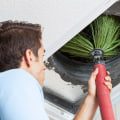
Air ducts are an essential component of any heating, ventilation, and air conditioning (HVAC) system, serving as the pathways through which conditioned air circulates throughout your home. These ducts are typically made from a variety of materials, including sheet metal, fiberglass, or flexible plastic, and they play a crucial role in maintaining a comfortable indoor environment. Understanding the function and importance of air ducts is vital for homeowners who wish to ensure optimal indoor air quality and energy efficiency.The primary purpose of air ducts is to transport heated or cooled air from your HVAC system to different rooms in your home. This distribution not only helps regulate temperature but also contributes to overall comfort by ensuring that every space receives adequate airflow.
However, the significance of air ducts extends beyond mere temperature control; they also influence the quality of the air you breathe. Over time, dust, allergens, and other pollutants can accumulate within these ducts, potentially leading to poor indoor air quality.Indoor air quality is a growing concern for many homeowners, especially given that we spend a significant amount of our lives indoors. Poor air quality can lead to various health issues, including respiratory problems, allergies, and even long-term illnesses. Therefore, understanding how your air ducts function and their impact on indoor air quality is crucial.
Regular maintenance and cleaning can help mitigate the buildup of harmful contaminants, ensuring that the air circulating in your home remains clean and healthy.In summary, air ducts are not just conduits for airflow; they are integral to your home's HVAC system and play a pivotal role in maintaining indoor air quality. As we delve deeper into the topic of vent cleaning and replacement, it becomes clear that taking care of your air ducts is essential for both comfort and health.
The Basics of Vent Cleaning
Vent cleaning is a crucial aspect of maintaining a healthy indoor environment. It involves the thorough cleaning of air ducts, vents, and other components of your heating, ventilation, and air conditioning (HVAC) system. Over time, dust, allergens, and other contaminants can accumulate in these areas, potentially affecting the air quality in your home.What is Vent Cleaning?
Vent cleaning refers to the process of removing debris and contaminants from the air ducts and vents that circulate air throughout your home.
This process typically includes:
- Inspection of the ductwork to identify any blockages or buildup.
- Use of specialized tools such as vacuums and brushes to dislodge and remove dirt.
- Cleaning of other components like registers, grilles, and fans to ensure optimal airflow.
Benefits of Vent Cleaning
The benefits of vent cleaning extend beyond just improved air quality. Here are some key advantages:
- Enhanced Indoor Air Quality: Regular vent cleaning helps reduce allergens such as dust mites, mold spores, and pet dander, leading to cleaner air.
- Improved HVAC Efficiency: When ducts are clean, your HVAC system can operate more efficiently, potentially lowering energy bills.
- Extended Equipment Lifespan: Keeping your vents clean can help prevent wear and tear on your HVAC system, prolonging its lifespan.
- Odor Reduction: Accumulated debris can cause unpleasant odors; cleaning vents can help eliminate these smells.
When to Clean Your Air Ducts
Determining the right time to clean your air ducts is crucial for maintaining a healthy indoor environment. While there are no strict guidelines, several indicators can help you decide when duct cleaning is necessary.Health Symptoms
- If you or your family members are experiencing unexplained respiratory issues, such as asthma, allergies, or persistent coughing, it may be time to consider duct cleaning.
Dust and allergens can accumulate in your ducts and circulate throughout your home, exacerbating these conditions.
- Frequent headaches or fatigue can also be linked to poor indoor air quality. If these symptoms coincide with increased dust accumulation in your home, it might indicate that your air ducts need attention.
Visible Signs of Contamination
- Check for visible dust or debris around the vents. If you notice a significant buildup of dust on the vent covers or surrounding areas, it’s a clear sign that your ducts may be dirty.
- Mold growth is another serious indicator. If you see mold on any part of your HVAC system or around the vents, it’s essential to address this issue immediately.
Mold can pose serious health risks and should be handled by professionals.
Environmental Factors
- Consider the environment surrounding your home. If you live in an area with high levels of pollen, dust, or pollution, your ducts may require more frequent cleaning to maintain good air quality.
- Renovations or construction work can also lead to increased dust and debris in your ducts. If you've recently completed a project in your home, it’s wise to have your ducts inspected and cleaned if necessary.
Frequency of Duct Cleaning
While there is no one-size-fits-all answer for how often to clean air ducts, many experts recommend doing so every 3 to 5 years. However, this frequency can vary based on the factors mentioned above.
Regular maintenance of your HVAC system, including changing filters and scheduling professional inspections, can also help extend the time between cleanings.Ultimately, being proactive about air duct maintenance can lead to improved indoor air quality and a healthier living environment for you and your family.
The Myths Surrounding Air Duct Cleaning
When it comes to air duct cleaning, numerous myths and misconceptions can cloud homeowners' judgment. Understanding these myths is crucial for making informed decisions about your home's air quality and maintenance.Myth 1: Air Duct Cleaning is Always Necessary
Many homeowners believe that air ducts should be cleaned regularly, similar to changing air filters. However, the Environmental Protection Agency (EPA)Environmental Protection Agency (EPA) does not endorse routine cleaning unless there are specific signs of contamination or significant dust buildup. Regular cleaning may not be necessary for every home, especially if there are no visible signs of dirt or mold.
Myth 2: Cleaning Air Ducts Improves Indoor Air Quality
While it seems logical that clean ducts would lead to better air quality, studies have shown that the particles in ducts do not significantly contribute to indoor air pollution.
Most contaminants come from other sources, such as cooking, smoking, or outdoor pollutants. Therefore, simply cleaning the ducts may not yield the expected improvements in air quality.
Myth 3: All Air Duct Cleaning Services are the Same
The quality of vent cleaning services can vary widely. Some companies may use inadequate methods that can actually worsen indoor air quality by releasing more dust and debris into the air. It’s essential to research and choose a reputable service provider who follows industry standards and uses proper equipment.
Myth 4: Duct Cleaning Eliminates Allergies
Many people believe that cleaning their air ducts will eliminate allergens and improve their health.
While reducing dust and debris can help some individuals with allergies, it is not a guaranteed solution. Allergies are often triggered by various factors, including pollen, pet dander, and mold, which may not be addressed by duct cleaning alone.
Myth 5: You Can Clean Your Ducts Yourself
Some homeowners attempt to clean their ducts using household tools. However, this approach can be ineffective and even harmful. Professional duct cleaning involves specialized equipment and techniques that ensure thorough cleaning without damaging the system.
DIY methods may leave behind contaminants or cause damage that leads to costly repairs.In conclusion, debunking these common myths about air duct cleaning is essential for homeowners looking to maintain a healthy living environment. By understanding the facts, you can make informed decisions about whether duct cleaning is necessary for your home.
The Role of the EPA in Air Duct Cleaning Recommendations
The Environmental Protection Agency (EPA) plays a crucial role in shaping the conversation around air duct cleaning and its impact on indoor air quality. As a federal agency tasked with protecting human health and the environment, the EPA provides guidelines and recommendations that help homeowners make informed decisions regarding their air duct systems.One of the key points emphasized by the EPA is that there is no definitive evidence linking air duct cleaning to improved health outcomes. While it may seem intuitive that cleaner ducts would lead to better air quality, studies have not conclusively shown that contaminants from ducts significantly enter living spaces.The EPA suggests that most dust and debris in ducts remain adhered to surfaces and do not circulate into the home.Furthermore, the EPA acknowledges that indoor air quality can be affected by a variety of factors beyond just dirty ducts. Common sources of indoor pollutants include:
- Outdoor air contaminants
- Household cleaning products
- Cooking emissions
- Tobacco smoke
- Pet dander and hair
- Mold and mildew from moisture issues
- Regular maintenance of heating and cooling systems.
- Using high-efficiency filters.
- Controlling humidity levels to prevent mold growth.
- Avoiding smoking indoors.
- Minimizing the use of volatile organic compounds (VOCs) in household products.
The agency does not endorse routine cleaning but suggests it may be warranted under specific circumstances, such as:
- If there is visible mold growth inside ducts.
- If ducts are infested with vermin.
- If there is excessive dust or debris buildup that could affect system performance.
Air Duct Replacement: When Is It Necessary?
While cleaning air ducts can be beneficial in certain situations, there are instances where replacing air ducts is the more prudent choice. Understanding when to replace your ducts can save you money in the long run and improve your home’s air quality significantly.Signs You Need to Replace Your Ducts
- Age of the Ducts: If your ductwork is over 15-20 years old, it may be time for a replacement. Older ducts can become brittle and less efficient.
- Visible Damage: Look for signs of wear and tear, such as cracks, holes, or rust.
Damaged ducts can lead to significant air leaks, reducing efficiency.
- Mold Growth: If you notice mold inside or around your ducts, it’s a clear indication that replacement is necessary. Mold can pose serious health risks.
- Pest Infestation: Rodents or insects in your ductwork can compromise air quality and indicate that the ducts need to be replaced.
- Inconsistent Temperatures: If certain rooms in your home are consistently warmer or cooler than others, it may be due to inefficient ductwork that needs replacing.
Benefits of Replacing Air Ducts
Replacing your air ducts can offer several advantages:- Improved Air Quality: New ducts are less likely to harbor dust, allergens, and contaminants, leading to cleaner air in your home.
- Enhanced Energy Efficiency: Modern duct systems are designed to minimize air loss, which can lower your energy bills significantly.
- Better Temperature Control: New ductwork can provide more consistent heating and cooling throughout your home, enhancing comfort levels.
- Increased Home Value: Upgrading your HVAC system, including duct replacement, can increase the overall value of your property.
Choosing a Professional for Air Duct Services
When it comes to maintaining your home’s air quality, selecting the right professional for air duct services is crucial. The effectiveness of duct cleaning and maintenance largely depends on the expertise of the service provider you choose.Here are some essential tips to help you make an informed decision.
Research and Recommendations
Start by seeking recommendations from friends, family, or neighbors who have recently had their air ducts serviced. Personal experiences can provide valuable insights into the quality of service offered by local professionals. Additionally, consider checking online reviews and ratings on platforms like Google, Yelp, or Angie's List to gauge customer satisfaction.Verify Credentials and Experience
Before hiring a duct cleaning service, ensure that they are properly licensed and insured. A reputable company should have the necessary certifications from recognized organizations such as the National Air Duct Cleaners Association (NADCA).This certification indicates that the technicians have undergone training and adhere to industry standards.
Ask the Right Questions
When interviewing potential service providers, don’t hesitate to ask questions that will help you assess their qualifications:- What methods do you use for duct cleaning? Inquire about their cleaning techniques and equipment. A professional should use high-efficiency particulate air (HEPA) vacuums and other advanced tools.
- Can you provide references? Requesting references from previous clients can give you a clearer picture of their reliability and quality of work.
- What is included in your service? Ensure you understand what services are covered in the price quoted. Some companies may offer additional services like sanitization or mold remediation.
- How long will the process take? Knowing the estimated duration helps you plan accordingly and ensures that the job is not rushed.
- What are your safety protocols? A professional service should prioritize safety, both for their workers and your home.
Get Multiple Estimates
It’s wise to obtain estimates from several companies before making a decision. This not only gives you a sense of the market rate but also allows you to compare services offered.Be cautious of prices that seem too low; they may indicate subpar service or hidden fees.In conclusion, taking the time to choose a qualified professional for your air duct services can lead to improved indoor air quality and overall satisfaction with the work performed. By following these guidelines, you can ensure that your home’s ventilation system is in capable hands.
Preventive Measures for Maintaining Clean Air Ducts
Maintaining clean air ducts is essential for ensuring good indoor air quality and the overall efficiency of your heating and cooling systems. By taking proactive measures, homeowners can significantly reduce the amount of dirt and pollutants that enter their air ducts. Here are some practical tips to help you keep your air ducts clean:- Regularly Change Air Filters: One of the simplest yet most effective ways to maintain clean air ducts is to change your HVAC system's air filters regularly.
Depending on the type of filter you use, it’s advisable to check them monthly and replace them every 1-3 months. A clean filter traps dust, pollen, and other particles, preventing them from circulating through your home.
- Seal Ducts Properly: Ensure that all ductwork is properly sealed. Leaks in the duct system can allow dust and pollutants to enter from unconditioned spaces like attics or crawl spaces. Use mastic sealant or metal tape to seal any visible gaps or joints in the ductwork.
- Control Humidity Levels: High humidity can lead to mold growth within your ducts.
Use dehumidifiers in areas prone to moisture, such as basements, and ensure that your home’s humidity levels remain between 30-50%.
- Keep Vents Clear: Regularly inspect and clean your vents to ensure they are not obstructed by furniture, curtains, or other items. Blocked vents can restrict airflow and lead to increased dust accumulation.
- Maintain a Clean Home: Regular cleaning practices can significantly reduce the amount of dust that enters your air ducts. Vacuum carpets and rugs frequently, use doormats at entrances, and consider using an air purifier to capture airborne particles.
- Schedule Professional Inspections: While regular maintenance is crucial, it’s also wise to schedule professional inspections of your HVAC system and ductwork at least once a year. Professionals can identify potential issues that may lead to dirt accumulation and recommend appropriate solutions.
Remember, a proactive approach is key to preventing dirt and pollutants from entering your air ducts in the first place.
FAQs About Air Duct Cleaning and Replacement
When it comes to air duct cleaning and replacement, many homeowners have questions. Here are some of the most frequently asked questions that can help clarify the process and its benefits.What is air duct cleaning?
Air duct cleaning involves the removal of dust, debris, and other contaminants from the ductwork of your heating and cooling system. This process aims to improve indoor air quality and enhance the efficiency of your HVAC system.How often should I clean my air ducts?
The frequency of vent cleaning can vary based on several factors, including:- The presence of pets in your home.
- Allergies or respiratory issues among household members.
- Recent renovations or construction work.
- Visible mold growth or excessive dust accumulation.
Is air duct cleaning necessary?
While not always necessary, air duct cleaning can be beneficial in certain situations. If you notice a significant buildup of dust or if your HVAC system is not performing efficiently, it may be time for a cleaning.However, routine cleaning is not universally recommended by experts unless there are specific concerns.
What are the signs that I need to replace my air ducts?
There are several indicators that may suggest it's time to replace your air ducts:- Age: Ducts older than 15-20 years may need replacement due to wear and tear.
- Leaks: If you notice significant air leaks or gaps in your ductwork, replacement may be necessary.
- Mold: The presence of mold within the ducts can indicate a need for replacement rather than just cleaning.
- Poor airflow: Inconsistent temperatures or weak airflow can signal that your ducts are not functioning properly.
Can I clean my air ducts myself?
While some homeowners attempt DIY duct cleaning, it is generally recommended to hire a professional. Professionals have specialized equipment and training to ensure thorough cleaning without damaging your HVAC system. Improper cleaning can lead to more issues than it solves.What should I look for in a duct cleaning service?
When selecting a service provider for vent cleaning, consider the following:- Experience: Look for companies with a proven track record in duct cleaning.
- Credentials: Ensure they are certified by relevant organizations such as the National Air Duct Cleaners Association (NADCA).
- Reviews: Check customer reviews and testimonials for insights into their service quality.
- Methods: Inquire about their cleaning methods and equipment used to ensure they follow industry standards.
Conclusion: Making Informed Decisions About Your Air Ducts
In summary, the decision to clean or replace your air ducts is not one to be made lightly. It requires careful consideration of various factors, including the specific conditions of your home, the quality of your indoor air, and the potential sources of pollutants.As we have discussed, the Environmental Protection Agency (EPA) does not endorse routine duct cleaning but suggests it only when necessary. This highlights the importance of understanding when and why duct cleaning might be beneficial.Before proceeding with any maintenance, it is crucial to assess the overall health of your heating and cooling systems. If you notice signs of mold growth, excessive dust accumulation, or if you have recently undergone renovations that may have introduced debris into your ducts, these could be valid reasons to consider cleaning. However, simply assuming that ducts need cleaning because they are dirty is not a sound approach.Moreover, it is essential to recognize that vent cleaning is just one aspect of maintaining good indoor air quality.
Other factors such as ventilation, humidity control, and regular maintenance of HVAC systems play significant roles in ensuring a healthy living environment. Homeowners should also be aware that improper cleaning techniques can exacerbate air quality issues rather than alleviate them.When selecting a service provider for duct cleaning, do thorough research. Look for companies that are certified and have a solid reputation in the industry. Ask for references and read reviews to ensure you are hiring a competent professional who follows best practices.
Remember that the goal is not just to clean but to improve the overall efficiency and safety of your home’s air circulation system.Ultimately, if you are experiencing unexplained health issues or persistent allergies, consulting with a healthcare professional is advisable. They can help determine if your symptoms may be related to indoor air quality issues. Additionally, utilizing resources from the EPA can provide further guidance on maintaining a healthy home environment.In conclusion, making informed decisions about your air ducts involves understanding both the benefits and limitations of duct cleaning. By staying educated and proactive about your home’s air quality, you can create a healthier living space for you and your family.