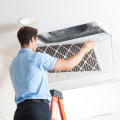
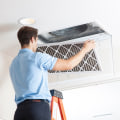
In recent years, the topic of vent cleaning has gained significant attention, particularly as homeowners become increasingly aware of the importance of indoor air quality. With the average person spending approximately 90% of their time indoors, the air we breathe within our homes can have a profound impact on our health and well-being. This has led to a surge in interest regarding the cleanliness of air ducts and vents, as many believe that maintaining these systems is essential for ensuring a healthy living environment, much like insights found in the Expert s Guide to Detoxification What Happens.However, amidst this growing awareness, numerous myths and misconceptions about . With the average person spending approximately 90% of their time indoors, the air we breathe within our homes can have a profound impact on our health and well-being. This has led to a surge in interest regarding the cleanliness of air ducts and vents, as many believe that maintaining these systems is essential for ensuring a healthy living environment, much like insights found in the Expert s Guide to Detoxification What Happens.However, amidst this growing awareness, numerous myths and misconceptions about duct cleaning have emerged, leaving many homeowners confused about the actual benefits and necessity of such services. Some individuals may assume that regular vent cleaning is a guaranteed way to improve air quality or prevent health issues, while others may dismiss it entirely as an unnecessary expense.
Understanding the truth behind these claims is crucial for making informed decisions about your home’s air quality management.This section aims to clarify what vent cleaning truly entails and why it matters. By exploring the facts surrounding duct cleaning, we can debunk common myths that may mislead homeowners. It’s essential to recognize that while clean air ducts can contribute to better indoor air quality, they are just one piece of a much larger puzzle. Factors such as household activities, ventilation systems, and even outdoor pollution play significant roles in determining the overall air quality within your home.As we delve deeper into this topic, we will address prevalent misconceptions and provide evidence-based insights that empower you to make educated choices regarding your home’s ventilation system.
Whether you are considering vent cleaning for the first time or reevaluating your current practices, understanding the realities of duct cleaning will help you navigate this complex subject with confidence.
Common Myths About Vent Cleaning
When it comes to vent cleaning, numerous myths and misconceptions can cloud homeowners' judgment. Understanding these myths is crucial for making informed decisions about your home's air quality. Here, we will explore some of the most common myths surrounding duct cleaning and provide factual information to debunk them.- Myth 1: Duct Cleaning is Always Necessary
Many believe that duct cleaning should be performed regularly, similar to changing air filters. However, the truth is that vent cleaning is not a routine necessity for every home.The Environmental Protection Agency (EPA) suggests that duct cleaning should only be considered when there is visible mold growth, an infestation of vermin, or excessive dust and debris.
- Myth 2: Cleaning Ducts Improves Air Quality Significantly
While it may seem logical that clean ducts lead to better air quality, studies indicate that the impact of duct cleaning on overall indoor air quality is minimal. Most contaminants in the air come from sources other than ducts, such as cooking, smoking, or even pet dander. Therefore, focusing solely on duct cleaning may not yield the expected improvements in air quality. - Myth 3: All Duct Cleaning Services are the Same
Not all duct cleaning services adhere to the same standards. Some companies may use inadequate methods or fail to clean all components of the HVAC system.It’s essential to research and choose a reputable service provider who follows industry best practices to ensure effective cleaning without damaging your system.
- Myth 4: Duct Cleaning Can Prevent Health Issues
Another prevalent myth is that duct cleaning can prevent health problems. While maintaining a clean environment is important, there is no conclusive evidence linking dirty ducts directly to health issues. Factors such as allergies or respiratory conditions are often influenced by various environmental elements beyond just duct cleanliness. - Myth 5: DIY Duct Cleaning is Just as Effective
Some homeowners may consider tackling duct cleaning themselves to save money. However, professional services utilize specialized equipment and techniques that are typically not available to the average homeowner.Attempting DIY duct cleaning can lead to incomplete cleaning or even damage to your HVAC system.
The Importance of Indoor Air Quality
Maintaining good indoor air quality is essential for the overall health and well-being of individuals living in a home. Poor air quality can lead to a variety of health issues, ranging from minor irritations to serious respiratory conditions. Understanding the significance of indoor air quality and its relationship with vent cleaning practices is crucial for homeowners.Indoor air can be contaminated by a range of pollutants, including:- Dust and Allergens: Common household dust contains a mix of particles such as pet dander, pollen, and mold spores, which can trigger allergies and asthma.
- Volatile Organic Compounds (VOCs): These are emitted from various household products like paints, cleaning agents, and air fresheners.
Prolonged exposure can lead to headaches, dizziness, and long-term health effects.
- Carbon Monoxide: This colorless, odorless gas can be produced by malfunctioning appliances or poor ventilation. It poses serious health risks if inhaled in significant amounts.
- Mold and Mildew: High humidity levels can lead to mold growth in hidden areas such as ducts. Mold spores can circulate through the air, causing respiratory issues.
- Coughing or wheezing
- Shortness of breath
- Fatigue
- Irritation of the eyes, nose, or throat
- Headaches
By removing accumulated dust and contaminants from the ductwork, homeowners can reduce the circulation of harmful particles throughout their living spaces. However, it is important to note that vent cleaning should be part of a broader strategy for maintaining indoor air quality.This strategy may include:
- Regular Maintenance: Schedule routine inspections and maintenance for heating and cooling systems to ensure they are functioning efficiently.
- Humidity Control: Use dehumidifiers or humidifiers as needed to maintain optimal humidity levels in your home.
- Air Purification: Consider using air purifiers equipped with HEPA filters to capture fine particles and improve overall air quality.
When Should You Consider Vent Cleaning?
Understanding when to consider vent cleaning is crucial for maintaining a healthy indoor environment. While the decision to clean your air ducts may not be straightforward, there are specific signs and circumstances that can indicate it's time to take action.Signs You Need Duct Cleaning
- Visible Dust and Debris: If you notice a significant buildup of dust around your vents or on your furniture, it may be a sign that your ducts are harboring excess dirt.
This dust can circulate throughout your home, affecting air quality.
- Unpleasant Odors: Foul smells emanating from your vents can indicate mold growth or other contaminants within the ductwork. If you detect musty or stale odors, it’s essential to investigate further.
- Increased Allergies or Respiratory Issues: If you or your family members experience heightened allergy symptoms, asthma attacks, or other respiratory problems, dirty ducts could be a contributing factor. Pollutants trapped in the ductwork can exacerbate these conditions.
- Inconsistent Airflow: If certain rooms in your home feel stuffy or receive less airflow than others, it may indicate blockages in the duct system. Cleaning the vents can help restore proper airflow and improve comfort levels.
- Pest Infestations: The presence of rodents or insects in your ductwork is a clear sign that cleaning is necessary.
These pests can leave behind droppings and debris that contaminate the air you breathe.
Vent Cleaning Frequency
The frequency of vent cleaning largely depends on various factors, including your location, lifestyle, and the presence of pets. As a general guideline:
- If you have pets that shed fur regularly, consider cleaning your ducts every 3 to 5 years.
- If you live in an area with high levels of dust or pollen, more frequent cleaning may be beneficial.
- For households with allergies or respiratory issues, annual inspections and potential cleanings are advisable.
The Duct Cleaning Process Explained
Understanding the duct cleaning process is essential for homeowners considering this service. A professional duct cleaning typically involves several key steps designed to ensure thorough cleaning and optimal air quality.Here’s a breakdown of what you can expect during a typical vent cleaning service.
1.Initial Inspection
The process begins with a comprehensive inspection of your ductwork. Technicians will assess the condition of the ducts, looking for signs of dust accumulation, mold growth, or any blockages that may hinder airflow. This step is crucial as it helps identify specific areas that require attention and allows the technicians to tailor their approach accordingly.
2.Preparation
Before the actual cleaning begins, the technicians will prepare the area. This includes covering floors and furniture to protect them from dust and debris that may be dislodged during the cleaning process.
They will also ensure that all necessary equipment is on hand, including powerful vacuums and specialized brushes.
3.Sealing Off Vents
To prevent dust from escaping into your living space, technicians will seal off vents in other rooms while they work on the ducts being cleaned. This step helps maintain a controlled environment and ensures that all contaminants are effectively captured.
4.Cleaning Process
- Vacuuming: A high-powered vacuum is connected to the duct system to create negative pressure. This suction pulls dust and debris out of the ducts and into a containment unit.
- Brushing: Technicians may use rotary brushes or air whips to dislodge stubborn dirt and debris stuck to the duct walls. This mechanical agitation helps ensure a more thorough clean.
- Cleaning Other Components: In addition to ducts, professionals often clean other components of your HVAC system, such as coils, fans, and heat exchangers, which can improve overall system efficiency.
5.Final Inspection
After cleaning, a final inspection is conducted to ensure that all areas have been adequately addressed.
Technicians may use cameras or other tools to verify that no debris remains in the ducts.
6.Recommendations
Finally, professionals will provide recommendations for maintaining clean ducts in the future. This may include tips on changing air filters regularly or scheduling periodic inspections to prevent future buildup.By understanding these steps involved in the vent cleaning process, homeowners can make informed decisions about their indoor air quality and ensure they receive a thorough service from qualified professionals.
Choosing a Reliable Vent Cleaning Service
When it comes to maintaining a healthy indoor environment, selecting a reliable vent cleaning service is crucial. With numerous companies offering duct cleaning services, it can be challenging to determine which ones are trustworthy and capable of delivering quality work. Here are some essential tips to help you choose a reputable vent cleaning service provider.Research and Recommendations
Start by seeking recommendations from friends, family, or neighbors who have recently had their ducts cleaned.Personal experiences can provide valuable insights into the quality of service offered by different companies. Additionally, consider checking online reviews and ratings on platforms like Google, Yelp, or the Better Business Bureau (BBB) to gauge customer satisfaction.
Verify Credentials
Before hiring a duct cleaning service, ensure that they are properly licensed and insured. A legitimate company should have the necessary certifications and insurance coverage to protect both their employees and your property. This not only demonstrates professionalism but also provides peace of mind in case of any accidents during the cleaning process.Ask About Their Cleaning Process
A reputable vent cleaning service should be transparent about their cleaning methods.Inquire about the equipment they use and the steps involved in their process. A thorough cleaning should include:
- Inspection of the ductwork
- Use of high-powered vacuums
- Cleaning of all components, including registers and grilles
- Optional sanitization treatments if necessary
Get Multiple Quotes
Don’t settle for the first quote you receive. Contact several companies to compare prices and services offered.This will give you a better understanding of the market rate for vent cleaning. However, remember that the cheapest option may not always be the best; focus on finding a balance between cost and quality.
Check for Guarantees
A trustworthy duct cleaning company should stand behind their work with a satisfaction guarantee. This means that if you’re not satisfied with the results, they will address your concerns or redo the job at no additional cost. This commitment to customer satisfaction is a strong indicator of a reliable service provider.By following these guidelines, you can confidently select a reliable vent cleaning service that meets your needs while ensuring your home’s air quality is improved effectively.Potential Risks of Improper Vent Cleaning
While duct cleaning can offer benefits, it is crucial to recognize the potential risks associated with improper vent cleaning practices.Many homeowners may not be aware that inadequate cleaning methods can lead to more harm than good, making it essential to hire qualified professionals for this task.One of the primary risks of improper vent cleaning is the potential for damage to the ductwork itself. Ducts are often made from materials that can be easily compromised if not handled correctly. For instance, using aggressive cleaning tools or techniques can scratch or puncture duct surfaces, leading to air leaks. These leaks not only reduce the efficiency of your heating and cooling system but can also allow contaminants to enter the air supply.Additionally, improper cleaning can dislodge dust and debris that have settled deep within the ducts, causing them to become airborne.
This can exacerbate indoor air quality issues rather than alleviate them, as particles may circulate throughout your home, potentially triggering allergies or respiratory problems.Another significant concern is the risk of mold growth. If ducts are not dried properly after cleaning, moisture can become trapped within them, creating an ideal environment for mold spores to thrive. Once mold takes hold, it can spread rapidly and pose serious health risks to occupants, particularly those with pre-existing respiratory conditions.Moreover, some service providers may use chemical biocides or other treatments in an attempt to eliminate microbial contaminants. However, these substances are not always thoroughly researched and could introduce additional pollutants into your home’s air supply if not applied correctly.To mitigate these risks, it is vital to choose a reputable duct cleaning service that adheres to industry standards.
Look for companies that are certified by organizations such as the National Air Duct Cleaners Association (NADCA), which ensures that technicians are trained in proper cleaning techniques and safety protocols.In summary, while duct cleaning can be beneficial when performed correctly, improper vent cleaning poses several risks including damage to ductwork, exacerbation of air quality issues, and potential mold growth. By hiring qualified professionals and ensuring adherence to best practices, homeowners can protect their indoor environment and maintain a healthy living space.
Alternative Solutions for Improving Indoor Air Quality
While duct cleaning is often discussed in the context of improving indoor air quality, there are numerous alternative solutions that can be equally effective, if not more so. These methods can help create a healthier living environment without the need for vent cleaning. Here are some strategies to consider:- Regular Maintenance of HVAC Systems: Keeping your heating, ventilation, and air conditioning (HVAC) systems well-maintained is crucial.
Regularly changing filters, cleaning coils, and ensuring that the system is functioning properly can significantly enhance air quality.
- Air Purifiers: Investing in high-quality air purifiers can help remove airborne particles, allergens, and pollutants. Look for models with HEPA filters, which are designed to capture small particles effectively.
- Humidity Control: Maintaining optimal humidity levels (between 30% and 50%) can prevent mold growth and reduce dust mites. Use dehumidifiers in damp areas and humidifiers in dry conditions to achieve this balance.
- Ventilation Improvements: Enhancing natural ventilation by opening windows or using exhaust fans can help dilute indoor pollutants. Consider installing energy recovery ventilators (ERVs) or heat recovery ventilators (HRVs) to improve air exchange without losing energy efficiency.
- Houseplants: Certain houseplants can improve indoor air quality by absorbing toxins and releasing oxygen.
Plants like spider plants, peace lilies, and snake plants are known for their air-purifying properties.
- Regular Cleaning Practices: Frequent dusting, vacuuming with HEPA-filtered vacuums, and washing bedding can reduce the accumulation of dust and allergens in your home.
- Avoiding Indoor Pollutants: Be mindful of the products you use indoors. Opt for low-VOC (volatile organic compounds) paints, cleaners, and furnishings to minimize harmful emissions.
Frequently Asked Questions About Vent Cleaning
When it comes to vent cleaning, many homeowners have questions that stem from misconceptions and a lack of information. Below, we address some of the most frequently asked questions to help clarify the importance and process of duct cleaning.1.How often should I have my air ducts cleaned?
The frequency of vent cleaning largely depends on various factors, including your location, the presence of pets, and any allergies in your household.Generally, it is recommended to clean your air ducts every 3 to 5 years. However, if you notice significant dust buildup or have experienced renovations that may have introduced debris into your system, more frequent cleaning may be necessary.
2.Can vent cleaning improve my indoor air quality?
While vent cleaning can help remove dust and allergens from your ducts, it is not a guaranteed solution for improving indoor air quality. Many pollutants enter your home from outside sources or are generated by everyday activities. Regular maintenance of your HVAC system, including changing filters and ensuring proper ventilation, plays a crucial role in maintaining good air quality.3.Is duct cleaning worth the cost?
The value of duct cleaning can vary based on individual circumstances.If you have visible mold growth, excessive dust accumulation, or a family member with respiratory issues, investing in professional duct cleaning may be beneficial. However, for many households without these issues, routine cleaning may not be necessary.
4.What should I look for in a duct cleaning service?
When selecting a vent cleaning service provider, consider the following:- Certification: Ensure the company is certified by a recognized organization.
- Experience: Look for providers with a proven track record and positive customer reviews.
- Methods: Inquire about their cleaning methods and equipment to ensure they follow industry standards.
- Transparency: A reputable company should provide clear information about their services and pricing.
5.Are there any risks associated with duct cleaning?
If performed incorrectly, vent cleaning can potentially cause more harm than good. Poorly executed cleaning can release dust and contaminants back into your home or damage your HVAC system. It’s essential to hire qualified professionals who adhere to proper procedures to mitigate these risks.By addressing these common questions about duct cleaning, homeowners can make informed decisions regarding their indoor air quality and the maintenance of their HVAC systems.Conclusion: Making Informed Decisions About Vent Cleaning
In conclusion, understanding the complexities surrounding vent cleaning is essential for homeowners who wish to maintain a healthy indoor environment.Throughout this article, we have explored various myths and misconceptions that often cloud the decision-making process regarding duct cleaning. It is crucial to recognize that while clean air ducts can contribute to better air quality, they are not a panacea for all indoor air issues.One of the most significant takeaways is that duct cleaning should not be viewed as a routine necessity but rather as a service that may be warranted under specific circumstances. The Environmental Protection Agency (EPA) emphasizes the importance of assessing your individual situation before deciding to invest in this service. Factors such as the presence of pets, recent renovations, or noticeable dust accumulation can influence whether duct cleaning is appropriate for your home.Moreover, it is vital to approach the selection of a duct cleaning service with caution.
Not all providers adhere to the same standards, and choosing an inexperienced or unqualified technician can lead to more harm than good. Homeowners should conduct thorough research, seek recommendations, and verify credentials before hiring a service provider.Additionally, maintaining your heating and cooling systems through regular inspections and proper maintenance can often yield better results than duct cleaning alone. Ensuring that filters are changed regularly and that any potential sources of contamination are addressed can significantly improve indoor air quality.Ultimately, making informed decisions about vent cleaning involves weighing the benefits against potential risks and costs. By staying educated on the facts and consulting with professionals when necessary, you can ensure that your home remains a safe and healthy space for you and your family.