Air duct cleaning is often overlooked in the realm of home maintenance, yet it plays a crucial role in ensuring a healthy living environment. Many homeowners may not realize that the air circulating through their homes can carry a multitude of pollutants, allergens, and contaminants. Over time, dust, pet dander, mold spores, and even bacteria can accumulate within the air ducts, leading to poor indoor air quality. This is where the importance of vent cleaning comes into play.Maintaining clean air ducts is not just about improving air quality; it also has significant implications for your overall health.
Poor indoor air quality can exacerbate respiratory issues, trigger allergies, and contribute to other health problems. By investing in regular air duct cleaning, you can reduce the presence of these harmful particles and create a safer environment for you and your family. Furthermore, clean air ducts can enhance the efficiency of your heating and cooling systems, potentially lowering energy bills and extending the lifespan of your HVAC equipment.In addition to health benefits, clean air ducts contribute to a more comfortable home atmosphere. When dust and debris are allowed to build up in your ventilation system, it can lead to uneven heating or cooling throughout your space.
This inconsistency not only affects comfort but can also strain your HVAC system, leading to costly repairs down the line. Therefore, understanding the significance of air duct cleaning is essential for any homeowner looking to maintain a healthy and efficient living space.
Signs Your Air Ducts Need Cleaning
Maintaining clean air ducts is essential for ensuring optimal indoor air quality and the efficient operation of your HVAC system. However, many homeowners may not realize when their air ducts require cleaning. Here are some key indicators that suggest it might be time to schedule a professional vent cleaning:- Visible Dust and Debris: If you notice a significant buildup of dust around your home, particularly on vents or registers, this could indicate that your air ducts are harboring excess dirt.
When air circulates through dirty ducts, it can carry dust particles into your living spaces.
- Unpleasant Odors: Foul smells emanating from your HVAC system can be a sign of mold, mildew, or other contaminants within the ducts. If you detect musty or stale odors when the system is running, it’s crucial to investigate further.
- Increased Allergies or Respiratory Issues: If you or your family members experience heightened allergy symptoms, such as sneezing, coughing, or difficulty breathing, it may be linked to dirty air ducts. Pollutants trapped in the ducts can exacerbate these issues.
- Inconsistent Airflow: If certain rooms in your home feel stuffy or do not receive adequate airflow compared to others, this could indicate blockages in the ductwork. Cleaning the ducts can help restore balanced airflow throughout your home.
- Recent Renovations: Home renovations can generate a lot of dust and debris.
If you’ve recently completed construction or remodeling work, it’s wise to have your air ducts cleaned to remove any residual particles that may have settled inside.
- Pest Infestations: The presence of rodents or insects in your home can lead to contamination within your air ducts. If you suspect pests have made their way into your ductwork, it’s essential to address this issue promptly and clean the ducts thoroughly.
The Risks of Neglecting Air Duct Maintenance
Neglecting air duct maintenance can have serious repercussions for both your home and your health. Over time, dust, allergens, and other contaminants accumulate in your air ducts, leading to a range of issues that can affect indoor air quality and overall well-being.Health Risks from Dirty Ducts
- Respiratory Issues: One of the most significant risks associated with dirty air ducts is the potential for respiratory problems.
Dust, mold spores, and other allergens can circulate through your home’s ventilation system, triggering asthma attacks or exacerbating existing respiratory conditions.
- Allergic Reactions: For individuals with allergies, unclean air ducts can be a source of constant irritation. Pollen, pet dander, and dust mites can accumulate in the ducts and be released into the air, leading to sneezing, runny noses, and other allergic symptoms.
- Mold Growth: The dark and damp environment within air ducts is conducive to mold growth. If moisture enters the duct system—whether from leaks or high humidity—mold can thrive. Breathing in mold spores can lead to serious health issues, including lung infections.
Consequences of Neglecting Duct Cleaning
- Poor Indoor Air Quality: Dirty air ducts contribute to poor indoor air quality (IAQ), which can lead to discomfort and health problems for occupants.
High levels of indoor pollutants can cause headaches, fatigue, and difficulty concentrating.
- Increased Energy Costs: When air ducts are clogged with debris, your HVAC system has to work harder to circulate air throughout your home. This increased strain can lead to higher energy bills and may shorten the lifespan of your heating and cooling systems.
- Fire Hazards: In extreme cases, neglecting duct maintenance can pose fire risks. Accumulated dust and debris can ignite if exposed to high temperatures from heating elements or electrical components within the HVAC system.
DIY vs.
Professional Air Duct Cleaning: What You Need to KnowWhen it comes to air duct cleaning, homeowners often face a critical decision: should they attempt to clean their ducts themselves or hire a professional service? Each approach has its own set of advantages and disadvantages, and understanding these can help you make an informed choice.
DIY Air Duct Cleaning
Many homeowners consider DIY air duct cleaning as a cost-effective solution. With the right tools and some basic knowledge, it is possible to perform a decent cleaning job. Here are some pros and cons of this approach:- Pros:
- Cost Savings: The most significant advantage is the potential for saving money. By doing it yourself, you avoid labor costs associated with hiring professionals.
- Control: You have complete control over the cleaning process, allowing you to focus on areas that you believe need the most attention.
- Flexibility: You can choose when to clean your ducts, fitting it into your schedule without needing to coordinate with a service provider.
- Cons:
- Lack of Expertise: Without professional training, you may not know the best techniques or tools to use, which can lead to ineffective cleaning.
- Potential Damage: Improper cleaning methods can damage your ducts, leading to costly repairs down the line.
- Time-Consuming: Cleaning air ducts can be a labor-intensive task that takes longer than anticipated, especially if you're unfamiliar with the process.
Professional Duct Cleaning Services
On the other hand, hiring a professional duct cleaning service offers its own set of benefits and drawbacks.Here’s what you should consider:
- Pros:
- Expertise and Equipment: Professionals come equipped with specialized tools and have the training necessary to perform thorough cleanings effectively.
- Efficiency: A professional team can complete the job much faster than a DIY effort, saving you time and hassle.
- Comprehensive Cleaning: Professionals often provide a more thorough cleaning that addresses not just dust but also mold, allergens, and other contaminants.
- Cons:
- Cost: The primary disadvantage is the expense involved in hiring professionals, which can be significant depending on the size of your home and the extent of cleaning required.
- Lack of Control: You may have less control over the process and timing compared to doing it yourself.
- Variable Quality: Not all services are created equal; some may not meet your expectations or provide the level of service promised.
Essential Tools and Techniques for Effective Vent Cleaning
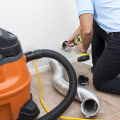
Cleaning your air ducts effectively requires the right tools and techniques. Whether you are a DIY enthusiast or simply curious about the professional methods used in vent cleaning, understanding these essentials can help you maintain a healthier indoor environment.Essential Tools for Vent Cleaning
- High-Powered Vacuum: A vacuum with strong suction is crucial for removing dust, debris, and allergens from your ducts. Look for models specifically designed for duct cleaning, as they often come with specialized attachments.
- Brushes: Vent brushes, especially those with flexible handles, are essential for dislodging dirt and grime from the duct walls.
Consider using a variety of brush sizes to reach different areas effectively.
- Compressed Air Tools: These tools can help blow out stubborn debris that may be stuck in hard-to-reach places. They are particularly useful for cleaning vents that have accumulated significant buildup over time.
- Inspection Camera: A small camera can be invaluable for assessing the condition of your ducts before and after cleaning. This allows you to identify problem areas and ensure thorough cleaning.
- Protective Gear: Always wear gloves, masks, and goggles to protect yourself from dust and allergens during the cleaning process.
Effective Techniques for Cleaning Air Ducts
Once you have gathered the necessary tools, employing effective techniques is key to successful duct cleaning. Here are some practical methods:- Seal Off Vents: Before starting, seal off all vents except the one you are cleaning.
This helps create better suction and prevents dust from circulating back into your home.
- Use a Brush and Vacuum Combination: Start by using a vent brush to loosen dirt and debris. Follow this up with your vacuum to remove the dislodged particles. This two-step process ensures a more thorough clean.
- Clean in Sections: Divide your duct system into manageable sections. Clean one section at a time to ensure that you do not miss any spots and maintain efficiency.
- Regular Maintenance: Schedule regular cleanings based on your home’s needs.
Homes with pets or high dust levels may require more frequent attention.
Preventive Measures to Keep Your Air Ducts Clean
Maintaining clean air ducts is essential for ensuring good indoor air quality and the overall efficiency of your HVAC system. By implementing a few preventive measures, homeowners can significantly reduce the accumulation of dust and debris in their air ducts. Here are some effective tips to help you keep your air ducts clean:- Regularly Change Air Filters: One of the simplest yet most effective ways to maintain clean air ducts is by changing your HVAC system's air filters regularly.
Depending on the type of filter you use, it’s advisable to replace them every 1 to 3 months. A clean filter traps dust, pollen, and other particles, preventing them from entering your ductwork.
- Seal Ducts Properly: Ensure that all duct connections are sealed tightly. Leaky ducts can allow dust and contaminants to enter the system, leading to increased pollution levels in your home. Use mastic sealant or metal tape to seal any gaps or leaks.
- Keep Vents Clear: Regularly check and clean your vents to ensure they are not obstructed by furniture, curtains, or other items.
Blocked vents can restrict airflow and cause dust buildup in the ducts.
- Maintain Humidity Levels: High humidity can promote mold growth within your ductwork. Use dehumidifiers in areas prone to moisture, such as basements, to keep humidity levels in check. Ideally, indoor humidity should be between 30% and 50%.
- Schedule Regular Professional Cleanings: While DIY cleaning can help maintain duct cleanliness, it’s essential to schedule professional cleanings every few years. Professionals have specialized equipment that can thoroughly clean your ducts and remove any hidden contaminants.
- Avoid Smoking Indoors: Smoking indoors contributes significantly to indoor air pollution.
If you smoke, consider doing so outside to prevent tobacco smoke from entering your duct system.
- Minimize Dust Accumulation: Regularly dust and vacuum your home to minimize the amount of dust that can enter your air ducts. Use a vacuum with a HEPA filter for better results.
The Role of HVAC Systems in Air Quality Management
HVAC systems play a crucial role in managing indoor air quality, serving as the backbone of climate control in homes and commercial spaces. These systems not only regulate temperature but also filter and circulate air, which directly impacts the cleanliness and quality of the air we breathe.When functioning optimally, HVAC systems can significantly reduce airborne pollutants, allergens, and contaminants.However, neglecting regular maintenance can lead to a buildup of dust, mold, and other harmful particles within the system itself. This accumulation can then be circulated throughout your living space, negating any benefits of having an HVAC system in place.
How HVAC Affects Indoor Air Quality
The effectiveness of an HVAC system in maintaining good indoor air quality hinges on several factors:- Filtration: High-quality filters trap dust, pollen, and other particulates. Regularly changing these filters is essential to ensure they function effectively.
- Ventilation: Proper ventilation allows fresh air to enter while expelling stale air. This exchange is vital for reducing indoor pollutants.
- Humidity Control: HVAC systems help manage humidity levels, which can prevent mold growth and improve overall comfort.
Maintaining HVAC Systems for Clean Air
To maximize the benefits of your HVAC system in promoting clean air, consider the following maintenance tips:- Regular Inspections: Schedule professional inspections at least once a year to identify potential issues before they escalate.
- Filter Replacement: Change or clean filters every 1-3 months, depending on usage and filter type.
This simple step can dramatically improve air quality.
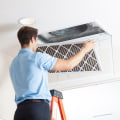
- Duct Cleaning: Periodically clean your air ducts to remove accumulated dust and debris that can hinder airflow and contaminate the air.
- Moisture Control: Ensure that your HVAC system is free from leaks and that condensate drains are clear to prevent moisture buildup.
Frequently Asked Questions About Air Duct Cleaning
When it comes to air duct cleaning, many homeowners have questions and concerns. Understanding the facts can help dispel common misconceptions and guide you in making informed decisions about your home’s air quality. Here are some frequently asked questions regarding vent cleaning.1.How often should I have my air ducts cleaned?
The frequency of air duct cleaning can vary based on several factors, including your location, the presence of pets, and whether anyone in your home suffers from allergies or respiratory issues.Generally, it is recommended to have your ducts cleaned every 3 to 5 years. However, if you notice significant dust buildup or experience unexplained health issues, it may be time for a cleaning.
2.Does air duct cleaning improve indoor air quality?
Yes, vent cleaning can significantly enhance indoor air quality by removing dust, allergens, and other pollutants that accumulate in your ducts over time. This is especially beneficial for individuals with allergies or asthma, as cleaner air can lead to fewer symptoms and a healthier living environment.3.Can I clean my air ducts myself?
While some homeowners may attempt DIY methods for air duct cleaning, it is not advisable. Professional cleaners use specialized equipment and techniques that ensure thorough cleaning without damaging the ducts.Improper cleaning can lead to more harm than good, including potential damage to your HVAC system.
4.Are there any health risks associated with dirty air ducts?
Dirty air ducts can harbor mold, bacteria, and allergens that may contribute to health problems, particularly for sensitive individuals. While the presence of dust alone may not pose a significant risk, the accumulation of contaminants can exacerbate existing health issues.5.What should I look for in a professional duct cleaning service?
When selecting a service provider for vent cleaning, consider the following:- Certification: Ensure the company is certified by a recognized organization.
- Experience: Look for companies with a proven track record in the industry.
- Reviews: Check customer reviews and testimonials to gauge satisfaction.
- Methods: Inquire about their cleaning methods and equipment used.
Conclusion: Ensuring Clean Air Ducts for a Healthier Home Environment
In summary, maintaining clean air ducts is essential for promoting a healthier home environment. Throughout this article, we have explored various aspects of vent cleaning, emphasizing its significance not only for improving indoor air quality but also for enhancing the efficiency of your heating and cooling systems.One of the primary takeaways is the importance of professional cleaning services. While some homeowners may consider tackling this task themselves, the specialized tools and expertise required for effective duct cleaning are best left to trained professionals.This ensures that the job is done correctly, minimizing the risk of damage to your ductwork and preventing potential health hazards associated with improper cleaning methods.Moreover, we discussed the role of air ducts in harboring pollutants such as dust, mold, and bacteria. Regular inspections and cleanings can help mitigate these risks, contributing to a healthier living space. It’s crucial to remember that while clean air ducts can improve air quality, they are just one component of a broader strategy for maintaining a healthy home. Addressing other sources of indoor pollution—such as cooking fumes, pet dander, and household chemicals—is equally important.As you consider your home’s air quality, take proactive steps to ensure your air ducts remain clean.
This includes scheduling regular professional cleanings based on your specific needs and being vigilant about any signs of contamination or inefficiency in your HVAC system. Additionally, implementing preventive measures such as using high-quality air filters and maintaining proper humidity levels can further enhance your indoor air quality.Ultimately, investing in vent cleaning is an investment in your family's health and well-being. By prioritizing clean air ducts and addressing all potential sources of indoor pollutants, you can create a safer and more comfortable living environment for everyone in your home. Don’t wait until problems arise; take action today to ensure that your air ducts are clean and functioning optimally.