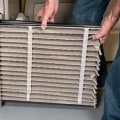
Air ducts are an integral component of any heating, ventilation, and air conditioning (HVAC) system, serving as the pathways through which conditioned air circulates throughout a building. These ducts are designed to distribute warm or cool air to various rooms, ensuring a comfortable indoor environment. However, many homeowners overlook the significance of maintaining these systems, often leading to a decline in indoor air quality and overall system efficiency. Understanding the role of air ducts is essential for anyone looking to improve their home’s air quality and energy efficiency.The importance of vent cleaning cannot be overstated.
Over time, dust, allergens, and other contaminants can accumulate within the ductwork, potentially affecting the air you breathe. This buildup can lead to various health issues, particularly for individuals with respiratory conditions or allergies. Regular maintenance and cleaning of air ducts not only help in reducing these pollutants but also enhance the efficiency of your HVAC system. A clean duct system allows for better airflow, which can translate into lower energy bills and a more comfortable living space.Moreover, understanding how air ducts function can empower homeowners to make informed decisions regarding their maintenance.
Many people are unaware that dirty ducts can harbor mold spores, bacteria, and even pests, all of which can compromise indoor air quality. By prioritizing duct maintenance and cleaning, homeowners can take proactive steps toward creating a healthier living environment. This section will delve deeper into the necessity of air duct sanitization and the various factors that contribute to maintaining optimal indoor air quality.
What is Vent Cleaning?
Vent cleaning is a specialized process aimed at removing dust, debris, and other contaminants from the ventilation system of a building. This service is essential for maintaining a healthy indoor environment, as it helps ensure that the air circulating through your home or office is clean and free from pollutants.During a typical vent cleaning service, professionals follow a systematic approach to ensure thorough cleaning.The process generally includes the following steps:
- Inspection: Technicians begin by inspecting the entire ventilation system. This includes checking the ducts, vents, and registers for any visible signs of dirt, mold, or blockages.
- Preparation: Before starting the cleaning process, technicians will prepare the area by covering furniture and flooring to protect them from dust and debris that may be dislodged during cleaning.
- Cleaning: Using specialized equipment such as high-powered vacuums and brushes, technicians will clean the ducts. This may involve using rotary brushes to dislodge dirt and debris from the duct walls, followed by vacuuming to remove these contaminants.
- Sanitization (if necessary): In some cases, especially if there has been a mold issue or if someone in the household has health concerns, technicians may apply a safe disinfectant to sanitize the ducts after cleaning. This step is not always necessary but can be beneficial in specific situations.
- Final Inspection: After cleaning, a final inspection is conducted to ensure that all areas have been adequately addressed and that no debris remains in the system.
The National Air Duct Cleaners Association (NADCA) recommends hiring certified technicians who use proper techniques and equipment to ensure effective cleaning without causing damage to your ventilation system.In summary, vent cleaning is an essential maintenance service that helps keep your indoor air clean and healthy. By understanding what this process entails, homeowners can make informed decisions about when and how often to schedule vent cleaning services.
The Myths Surrounding Air Duct Sanitization
When it comes to air duct sanitization, numerous myths and misconceptions can cloud homeowners' judgment. Understanding these myths is crucial for making informed decisions about your home’s air quality and maintenance.Myth 1: Air Duct Sanitization is Essential for Health
One of the most pervasive myths is that sanitizing air ducts is necessary for maintaining good health. While it’s true that clean air is vital, the reality is that the air quality in your home is influenced by various factors, including outdoor pollution, indoor activities, and the presence of allergens.
The Environmental Protection Agency (EPA) does not endorse routine duct cleaning or sanitization as a health necessity. Instead, they recommend addressing specific issues such as mold growth or pest infestations.
Myth 2: Duct Cleaning Improves Energy Efficiency
Another common misconception is that cleaning air ducts will lead to lower energy bills by improving system efficiency. While it seems logical that cleaner ducts would enhance airflow, studies have shown that there is little evidence to support this claim. In fact, the National Air Duct Cleaners Association (NADCA) states that unless there are significant blockages, cleaning ducts may not yield noticeable energy savings.
Myth 3: All Duct Cleaning Services are the Same
Many homeowners believe that all duct cleaning services provide the same level of care and thoroughness.
However, this is far from the truth. The methods and equipment used can vary significantly between companies. Some may use ineffective techniques that do not adequately remove contaminants, while others may employ advanced extraction methods that are more effective. It’s essential to research and choose a reputable service provider.
Myth 4: Chemicals are Necessary for Effective Sanitization
Some duct cleaning companies promote the use of chemicals during sanitization, claiming they are essential for eliminating bacteria and mold.
However, the NADCA emphasizes that effective cleaning can be achieved without chemical agents. In many cases, using chemicals can introduce additional pollutants into your home’s air.
Myth 5: Duct Cleaning is a One-Time Solution
Lastly, many people think that once their ducts are cleaned, they will remain clean indefinitely. This misconception overlooks the fact that dust and debris can accumulate over time due to regular household activities. Regular maintenance and inspections are necessary to ensure your ductwork remains in good condition.By debunking these myths surrounding air duct sanitization, homeowners can make better decisions regarding their indoor air quality and avoid unnecessary expenses associated with ineffective cleaning practices.
The Role of the EPA and NADCA in Air Duct Cleaning
The Environmental Protection Agency (EPA) plays a crucial role in setting standards and guidelines for air quality, including recommendations related to air duct cleaning.According to the EPA, routine cleaning of air ducts is not necessary unless there are specific indications of contamination or significant dust accumulation. Their primary focus is on ensuring that indoor air quality is maintained at a healthy level, which can often be achieved through regular maintenance of heating and cooling systems rather than frequent duct cleaning.The EPA advises homeowners to consider duct cleaning if:
- There is visible mold growth inside the ducts or on other components of the heating and cooling system.
- There are vermin infestations, such as rodents or insects.
- Dust and debris are noticeably clogging the ducts, which may affect airflow.
This inspection process is vital because leaking ducts can lead to energy inefficiency and poor indoor air quality. By following NADCA's guidelines, homeowners can ensure that their air duct systems are not only clean but also operating at optimal efficiency.Both the EPA and NADCA stress that maintaining good indoor air quality goes beyond just cleaning ducts. Regular maintenance of heating and cooling systems, including changing filters and checking for proper ventilation, is essential. Homeowners should also be aware of potential sources of indoor pollution, such as household chemicals, mold, and pet dander, which can significantly impact air quality.In summary, while both the EPA and NADCA provide valuable insights into air duct cleaning practices, they emphasize that such services should be performed judiciously and based on specific needs rather than as a routine procedure.
By adhering to these guidelines, homeowners can make informed decisions about their air duct maintenance and contribute to a healthier living environment.
When is Air Duct Cleaning Necessary?
Understanding when air duct cleaning is necessary can be crucial for maintaining a healthy indoor environment. While routine cleaning may not be essential, there are specific situations where it becomes imperative to address your ductwork.Signs You Need Duct Cleaning
- Mold Growth: If you notice mold developing in or around your air ducts, it’s a clear indication that cleaning is necessary. Mold can pose serious health risks, especially for individuals with respiratory issues or weakened immune systems.
- Pest Infestations: The presence of pests such as rodents or insects in your duct system can lead to contamination. If you suspect pests have made their way into your ducts, it’s essential to have them cleaned and inspected.
- Excessive Dust and Debris: If you find that dust accumulates quickly on surfaces in your home, it may be a sign that your ducts are clogged with debris.
This can affect the efficiency of your HVAC system and lead to poor air quality.
- Unpleasant Odors: Foul smells emanating from your vents can indicate the presence of mold, mildew, or even dead animals. If you detect unusual odors, it’s time to consider a thorough cleaning.
- Recent Renovations: Home renovations can introduce a significant amount of dust and debris into your duct system. After any major construction work, it’s wise to have your ducts cleaned to remove any residual particles.
The Necessity of Duct Cleaning
While not every home requires frequent duct cleaning, recognizing these signs can help you determine when it’s time to call in professionals. Regular inspections can also aid in identifying potential issues before they escalate.For instance, if you notice any of the signs mentioned above, addressing them promptly can prevent further complications and ensure that your indoor air quality remains high.In summary, while air duct cleaning may not be necessary for every household, being aware of specific indicators can help you maintain a healthier living environment. If you encounter any of the signs listed above, consider reaching out to a qualified duct cleaning service to assess the situation and recommend appropriate actions.
The Process of Air Duct Cleaning: What to Expect
Understanding the air duct cleaning process can help homeowners make informed decisions about their indoor air quality. The process typically involves several key steps, each designed to ensure that your ductwork is thoroughly cleaned and inspected.1.Initial Inspection
The first step in the air duct cleaning process is a comprehensive inspection of your duct system. A qualified technician will assess the condition of your ducts, looking for signs of dust accumulation, mold growth, or any obstructions that may hinder airflow.
This inspection often includes:
- Visual checks of accessible duct areas.
- Using specialized tools to measure airflow and identify leaks.
- Assessing the overall condition of the HVAC system.
2.Preparation
Before the actual cleaning begins, the technician will prepare the area. This includes:
- Covering furniture and flooring to protect them from dust and debris.
- Setting up equipment such as vacuums and blowers to minimize mess.
- Ensuring that all necessary tools are on hand for an efficient cleaning process.
3.Cleaning Methods
The most effective method for cleaning air ducts is known as extraction cleaning. This technique involves:
- Vacuuming: High-powered vacuums are used to remove dust, dirt, and other contaminants from the ducts.
- Brushing: Specialized brushes may be employed to dislodge stubborn debris stuck to the duct walls.
- Air Whips: These devices agitate dust and debris, allowing it to be easily vacuumed away.
4.Post-Cleaning Inspection
After the cleaning is complete, a follow-up inspection is crucial. The technician will:
- Check for any remaining debris or issues that may have been overlooked during the initial inspection.
- Ensure that all components of the HVAC system are functioning properly.
- Provide recommendations for future maintenance or repairs if necessary.
5.Customer Education
A reputable air duct cleaning service will also take time to educate homeowners about maintaining their duct systems.
This may include:
- Tips on changing air filters regularly.
- Advice on scheduling future inspections and cleanings based on usage and environmental factors.
- Information on how to identify potential issues before they become significant problems.
The Benefits and Limitations of Air Duct Sanitization
When considering air duct sanitization, it’s essential to weigh both the benefits and limitations of this service. Understanding these aspects can help homeowners make informed decisions about whether vent cleaning is necessary for their specific situation.Benefits of Air Duct Sanitization
- Reduction of Contaminants: One of the primary benefits of sanitizing air ducts is the potential reduction of harmful contaminants. This includes dust, mold spores, and bacteria that can accumulate over time. For households with allergies or respiratory issues, this can lead to improved indoor air quality.
- Mold Prevention: In cases where mold has been identified, sanitization can be crucial.
Using appropriate disinfectants can help eliminate existing mold and prevent future growth, especially in humid environments.
- Enhanced System Efficiency: While the evidence is mixed, some argue that cleaning and sanitizing ducts can improve HVAC system efficiency. By removing buildup, the system may operate more smoothly, potentially leading to lower energy costs.
- Peace of Mind: For many homeowners, knowing that their air ducts are clean and sanitized provides peace of mind. This is particularly true for families with young children or elderly members who may be more susceptible to airborne pollutants.
Limitations of Air Duct Sanitization
- Lack of Evidence: Despite the claims made by some duct cleaning companies, there is limited scientific evidence supporting the idea that routine duct cleaning significantly improves air quality or reduces dust levels in homes.
- Potential for Chemical Exposure: The use of chemical disinfectants raises concerns about indoor air quality. Some chemicals may emit volatile organic compounds (VOCs), which can be harmful when inhaled over time.
- Cost vs.
Benefit:
The cost of professional duct sanitization can be significant. Homeowners should consider whether the potential benefits justify the expense, especially if there are no immediate health concerns. - Temporary Solutions: Sanitization does not address underlying issues such as leaks or poor ventilation. Without fixing these problems, contaminants may return quickly after cleaning.
Chemical vs.
Non-Chemical Cleaning Methods: What You Should KnowWhen it comes to air duct sanitization, the methods employed can significantly impact both the effectiveness of the cleaning and the safety of your home environment. Understanding the differences between chemical and non-chemical cleaning methods is crucial for homeowners who are concerned about health, safety, and environmental impact.
Chemical Cleaning Methods
Chemical cleaning methods often involve the use of various disinfectants and biocides to sanitize air ducts. While these products can effectively kill mold, bacteria, and other pathogens, they also raise several safety concerns:- Toxicity: Many chemical cleaners contain harsh substances that can be harmful to humans and pets if inhaled or ingested.
- Volatile Organic Compounds (VOCs): Some chemicals release VOCs, which can contribute to indoor air pollution and exacerbate respiratory issues.
- Environmental Impact: The use of chemical cleaners can have negative effects on the environment, especially if they enter the water supply.
Non-Chemical Cleaning Methods
Non-chemical cleaning methods focus on physical techniques to remove contaminants without the use of potentially harmful substances. These methods include:- Mechanical Cleaning: This involves using specialized equipment such as vacuum systems and brushes to physically dislodge and remove dirt, dust, and debris from duct surfaces.
- High-Efficiency Particulate Air (HEPA) Filtration: Utilizing HEPA filters during the cleaning process can capture fine particles that may otherwise escape into the air.
- Steam Cleaning: This method uses high-temperature steam to kill bacteria and mold without introducing chemicals into your home.
Choosing Safe Duct Cleaning Options
When selecting a duct cleaning service, it’s essential to inquire about their methods.Look for companies that prioritize eco-friendly duct cleaning solutions and are transparent about their processes. Ask questions such as:
- What cleaning methods do you use?
- Are your products safe for children and pets?
- Do you have certifications or endorsements from reputable organizations?
Common Questions About Air Duct Sanitization
When it comes to air duct sanitization, many homeowners have questions that stem from concerns about health, efficiency, and the overall effectiveness of the process. Below are some of the most common inquiries regarding vent cleaning and air duct sanitization.- What is air duct sanitization?
Air duct sanitization involves the application of a disinfectant to the interior surfaces of your air ducts after they have been cleaned. This process aims to eliminate any remaining bacteria, mold spores, or other harmful microorganisms that may linger in the ducts. - Is air duct sanitization necessary?
While sanitization can be beneficial in specific situations—such as after a mold infestation or if someone in the home has a compromised immune system—routine sanitization is generally not necessary for most households.Regular cleaning and maintenance are usually sufficient to maintain good air quality.
- How often should I have my air ducts cleaned?
The frequency of air duct cleaning depends on various factors, including your location, the presence of pets, and whether anyone in your home suffers from allergies. Generally, it is recommended to have your ducts inspected every 3 to 5 years, with cleaning performed as needed. - Can air duct cleaning improve my indoor air quality?
While cleaning can remove dust and debris from your ducts, studies indicate that it does not significantly improve indoor air quality. Most contaminants settle on the duct surfaces and do not enter the living space unless disturbed. Therefore, maintaining a clean home environment is crucial for better air quality. - Are there any risks associated with air duct sanitization?
If not done correctly, using harsh chemicals during sanitization can pose health risks.It’s essential to choose a reputable company that uses safe and effective products. Always inquire about the methods and materials they use before proceeding with any service.
- What should I look for in a duct cleaning service?
When selecting a duct cleaning service, look for certifications from organizations like the National Air Duct Cleaners Association (NADCA). Ensure they follow industry standards and provide a thorough inspection before any cleaning or sanitization takes place.
Conclusion: Making Informed Decisions About Air Duct Cleaning
In conclusion, understanding the nuances of air duct cleaning and sanitization is crucial for homeowners and businesses alike. The information presented throughout this article highlights the importance of separating fact from fiction when it comes to maintaining your indoor air quality.While the Environmental Protection Agency (EPA) does not endorse routine duct cleaning, it does recommend addressing specific issues as they arise.This means that rather than adhering to a strict cleaning schedule, homeowners should focus on identifying signs of contamination or inefficiency in their duct systems. Regular inspections can help detect problems such as leaks or mold growth, which may necessitate professional intervention.Moreover, the role of disinfectants in air duct cleaning should not be overlooked. While there are scenarios where applying a disinfectant can be beneficial—such as in cases of mold infestation or for individuals with compromised immune systems—these situations are not the norm. It is essential to approach such treatments with caution and to consult with professionals who adhere to guidelines set forth by reputable organizations like the National Air Duct Cleaners Association (NADCA) .As we have seen, many claims made by duct cleaning companies regarding improved air quality and energy efficiency lack substantial evidence.
Homeowners should be wary of services that promise miraculous results without scientific backing. Instead, focus on maintaining your HVAC system through regular maintenance and addressing specific issues as they arise.Ultimately, making informed decisions about air duct sanitization involves understanding the limitations and potential benefits of these services. By prioritizing facts over myths, you can ensure that your home remains a safe and healthy environment for you and your family.