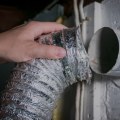
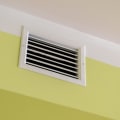
Duct cleaning, often referred to as Duct cleaning, often referred to as vent cleaning, is a crucial aspect of maintaining a healthy indoor environment. Over time, air ducts can accumulate dust, allergens, and other contaminants that may compromise the quality of the air we breathe. This buildup not only affects the efficiency of heating and cooling systems but can also lead to potential health issues for occupants. In fact, air duct cleaning should be considered the first thing to clean in the house for homeowners who wish to ensure their living spaces remain safe and comfortable.The primary purpose of duct cleaning is to remove these harmful particles from the ventilation system, thereby improving indoor air quality. , is a crucial aspect of maintaining a healthy indoor environment. Over time, air ducts can accumulate dust, allergens, and other contaminants that may compromise the quality of the air we breathe. This buildup not only affects the efficiency of heating and cooling systems but can also lead to potential health issues for occupants. In fact, air duct cleaning should be considered the first thing to clean in the house for homeowners who wish to ensure their living spaces remain safe and comfortable.The primary purpose of duct cleaning is to remove these harmful particles from the ventilation system, thereby improving indoor air quality.
When air circulates through dirty ducts, it can carry pollutants throughout the home, exacerbating allergies and respiratory problems. Regular maintenance of your ductwork can help mitigate these risks, making it a vital component of home care that should not be overlooked.Moreover, many people are unaware that the process of duct cleaning goes beyond just vacuuming out dust. It involves a thorough inspection and cleaning of all components of the heating and cooling system, including registers, grilles, and fans. This comprehensive approach ensures that not only are the ducts cleaned but that the entire system operates efficiently.
As we delve deeper into this topic, we will address common myths surrounding duct cleaning and clarify its true benefits and limitations.
Common Myths About Duct Cleaning
When it comes to duct cleaning, numerous myths and misconceptions can cloud homeowners' judgment. Understanding these myths is essential for making informed decisions about your home’s air quality and maintenance. Here, we will debunk some of the most prevalent myths surrounding vent cleaning.Myth 1: Duct Cleaning is Essential for Health Benefits
One of the most common beliefs is that cleaning your air ducts will significantly improve your health. While it’s true that clean air is vital for overall well-being, studies have shown that the presence of dust and debris in ducts does not directly correlate with health issues.
The Environmental Protection Agency (EPA) states that contaminants in the air can come from various sources, including outdoor pollution, household activities, and even pets. Therefore, while duct cleaning can help reduce dust accumulation, it is not a guaranteed solution for health problems.
Myth 2: Duct Cleaning Prevents Allergies
Many people believe that regular duct cleaning can prevent allergies or asthma attacks. However, research indicates that allergens such as pollen, pet dander, and mold spores are often found in the air rather than being trapped in ducts. While cleaning ducts may remove some dust and debris, it does not eliminate the primary sources of allergens in your home.
Instead of focusing solely on duct cleaning, homeowners should consider comprehensive strategies for improving indoor air quality.
Myth 3: All Duct Cleaning Services are the Same
Another misconception is that all air duct cleaning services provide the same level of quality. In reality, the effectiveness of duct cleaning can vary significantly based on the methods and equipment used by different service providers. It’s crucial to research and choose a reputable company that follows industry standards to ensure a thorough and safe cleaning process.
Myth 4: Duct Cleaning is a One-Time Solution
Some homeowners believe that once their ducts are cleaned, they will remain clean indefinitely. However, this is not the case.
Factors such as household activities, pets, and even construction work can contribute to dust accumulation over time. Regular maintenance and inspections are necessary to keep your ducts in optimal condition.
Myth 5: Duct Cleaning Will Make a Mess
A common fear among homeowners is that duct cleaning will create a mess in their homes. Professional duct cleaning services utilize advanced equipment designed to minimize dust and debris during the process. When performed correctly, duct cleaning should not result in any significant mess or disruption to your living space.In conclusion, debunking these myths about duct cleaning is crucial for homeowners looking to improve their indoor air quality effectively.
By understanding the realities behind these misconceptions, you can make more informed decisions regarding your home maintenance practices.
The Science Behind Duct Cleaning
Understanding the science of duct cleaning is essential for homeowners who want to maintain a healthy indoor environment. Over time, dust, allergens, and other debris can accumulate in your home’s ductwork, leading to potential air quality issues. This accumulation occurs due to several factors, including the natural flow of air, the presence of pets, and everyday activities like cooking and cleaning.As air circulates through your heating and cooling systems, it carries with it tiny particles that can settle in the ducts. These particles include:- Dust : Common household dust consists of skin cells, hair, and fibers from clothing and furniture.
- Pollen : Seasonal allergens can enter your home through open windows and doors.
- Mold spores : If moisture is present in the ducts, mold can grow and release spores into the air.
- Pet dander : For pet owners, dander can significantly contribute to duct contamination.
- Construction debris : Renovations or repairs can introduce additional particles into the duct system.
Professionals typically employ high-powered vacuums and brushes designed to dislodge dirt and debris from duct surfaces. This thorough cleaning helps ensure that the air circulating through your home is as clean as possible.One of the primary benefits of duct cleaning is improved indoor air quality. When ducts are clean, there is less chance for allergens and pollutants to circulate in your living space. This can be particularly beneficial for individuals with respiratory issues or allergies.
Additionally, clean ducts can enhance the efficiency of your heating and cooling systems. When airflow is unobstructed by dust and debris, systems do not have to work as hard to maintain desired temperatures, potentially leading to lower energy bills.In summary, understanding how dust and debris accumulate in your ducts is crucial for recognizing the importance of duct cleaning. By maintaining clean ducts, you not only improve your home's air quality but also promote the efficiency of your HVAC system. Regular inspections and cleanings by qualified professionals can help ensure that your indoor environment remains healthy and comfortable.
When Is Duct Cleaning Necessary?
Understanding when duct cleaning is necessary can significantly enhance your home's air quality and overall comfort.While routine cleaning is not typically recommended, there are specific situations where vent cleaning becomes essential.
Signs You Need Duct Cleaning
- Visible Mold Growth: If you notice mold on the surfaces of your ducts or around vents, it’s crucial to address this issue immediately. Mold can release spores into the air, posing health risks to you and your family.
- Excessive Dust Accumulation: If you find that dust settles quickly on furniture and surfaces after cleaning, it may indicate that your ducts are harboring a significant amount of dust and debris.
- Unpleasant Odors: Foul smells emanating from your vents can signal the presence of mold, mildew, or other contaminants within the ductwork.
- Increased Allergies or Respiratory Issues: If you or your family members experience heightened allergy symptoms or respiratory problems, dirty ducts could be a contributing factor.
- Recent Renovations: Home renovations often generate a lot of dust and debris. If your home has undergone significant remodeling, it’s wise to have your ducts cleaned to remove any construction particles that may have settled inside.
When to Schedule Duct Cleaning
It’s advisable to schedule vent cleaning under the following circumstances:- After Major Home Improvements: As mentioned, renovations can introduce dust and debris into your duct system. Cleaning after such projects helps maintain air quality.
- If You Have Pets: Pet dander can accumulate in ducts over time.
If you have multiple pets or notice increased shedding, consider having your ducts cleaned more frequently.
- If You Move into a New Home: New homeowners should consider duct cleaning to ensure they are not inheriting any previous occupants' dust, allergens, or contaminants.
- If You Notice Inconsistent Airflow: Uneven heating or cooling in different rooms may indicate blockages in the ductwork that require cleaning.
Choosing a Professional Duct Cleaning Service
When it comes to maintaining a healthy indoor environment, choosing a professional duct cleaning service is crucial. With numerous options available, it can be challenging to determine which service provider is the best fit for your needs. Here are some essential tips to help you make an informed decision.1.Verify Credentials and Experience
- Check for proper licensing and insurance.
A reputable duct cleaning service should have the necessary licenses to operate in your area and carry liability insurance to protect you in case of accidents.
- Look for certifications from recognized organizations, such as the National Air Duct Cleaners Association (NADCA). This certification indicates that the company adheres to industry standards and best practices.
- Consider the company’s experience. A provider with several years in the business is likely to have encountered various situations and developed effective solutions.
2.Ask About Their Cleaning Process
- Inquire about the methods they use for vent cleaning. A professional service should utilize advanced equipment, such as high-powered vacuums and rotary brushes, to ensure thorough cleaning.
- Ask if they follow guidelines set by the EPA or NADCA.
These guidelines help ensure that the cleaning process is effective and safe for your home.
- Request information on how they handle contaminants. A good service provider should have protocols in place for dealing with mold, dust, and other pollutants found in ducts.
3.Read Reviews and Testimonials
- Look for online reviews on platforms like Google, Yelp, or Angie's List. Pay attention to both positive and negative feedback to get a balanced view of the company’s reputation.
- Ask for references from previous clients. Speaking directly with past customers can provide valuable insights into their experiences with the service.
4.Get Multiple Estimates
- Contact several duct cleaning services to obtain estimates.
This will give you a better understanding of the market rates and help you identify any unusually high or low prices.
- Be cautious of extremely low estimates, as they may indicate subpar service or hidden fees that could arise later.
5.Inquire About Follow-Up Services
- Ask if they offer any follow-up services or maintenance plans after the initial cleaning. Regular maintenance can help keep your ducts clean and improve air quality over time.
- Find out if they provide any guarantees or warranties on their work. A reliable company should stand behind their services and address any issues that may arise post-cleaning.
Potential Risks of Improper Duct Cleaning
While duct cleaning can offer benefits when performed correctly, improper practices can lead to significant risks and consequences.Understanding these potential dangers is crucial for homeowners considering vent cleaning services.
1.Release of Contaminants
One of the most alarming risks associated with improper duct cleaning is the potential release of contaminants back into the home. If a service provider lacks the necessary equipment or expertise, they may inadvertently disturb dust, mold, and other pollutants that have settled in the ducts. Instead of removing these harmful particles, they could be blown into the living space, exacerbating indoor air quality issues.
2.Damage to HVAC Systems
Another significant concern is the risk of damaging your heating, ventilation, and air conditioning (HVAC) system. Inexperienced technicians may use inappropriate tools or techniques that can harm sensitive components within the system.
For instance, using high-pressure air to dislodge debris can lead to disconnections or damage to ductwork, resulting in costly repairs and reduced system efficiency.
3.Increased Energy Costs
Improper duct cleaning can also lead to increased energy costs. If ducts are damaged or not re-sealed properly after cleaning, air leaks can occur. This means your HVAC system has to work harder to maintain the desired temperature, leading to higher energy bills and unnecessary wear on the system.
4.Health Risks
Beyond immediate physical damage, there are long-term health risks associated with poor duct cleaning practices. The disturbance of mold spores or dust mites can trigger allergies or respiratory issues in sensitive individuals.
Moreover, if chemical biocides are improperly applied during the cleaning process, they can introduce harmful substances into your home environment.
5.Lack of Regulation
The duct cleaning industry is not as heavily regulated as other home maintenance services, which means that anyone can claim to be a professional without proper training or certification. This lack of oversight increases the likelihood of encountering unqualified service providers who may not adhere to best practices.In conclusion, while duct cleaning can be beneficial under certain circumstances, it is essential to recognize the potential risks associated with improper practices. Homeowners should prioritize hiring qualified professionals who follow industry standards to ensure that their duct cleaning is effective and safe.
Alternative Solutions for Indoor Air Quality Improvement
While duct cleaning is often discussed in the context of improving indoor air quality, there are numerous alternative solutions that can be equally effective, if not more so. Understanding these alternatives can empower homeowners to take proactive steps in maintaining a healthy living environment.One of the simplest yet most impactful methods for enhancing indoor air quality is through regular filter changes.HVAC systems typically use filters to trap dust, pollen, and other airborne particles. Over time, these filters can become clogged, reducing their effectiveness and allowing contaminants to circulate throughout your home. It is recommended to check and replace filters every 1-3 months, depending on usage and the type of filter used. This not only improves air quality but also enhances the efficiency of your heating and cooling systems.Another effective solution is the use of air purifiers.
These devices are designed to remove pollutants from the air, including allergens, smoke, and even certain bacteria and viruses. When selecting an air purifier, look for models equipped with HEPA filters, as they are capable of capturing particles as small as 0.3 microns. Placing air purifiers in high-traffic areas or rooms where you spend the most time can significantly reduce airborne contaminants.In addition to filters and purifiers, ventilation plays a crucial role in maintaining good indoor air quality. Ensuring that your home is well-ventilated allows fresh outdoor air to circulate while expelling stale indoor air.
This can be achieved through natural ventilation methods such as opening windows or using exhaust fans in kitchens and bathrooms. For those living in areas with poor outdoor air quality, consider mechanical ventilation systems that filter incoming air before it enters your home.
Regular cleaning
of your home can also contribute to better air quality. Dusting surfaces, vacuuming carpets with a HEPA-filter vacuum cleaner, and washing bedding frequently can help minimize dust accumulation and allergens. Additionally, consider using non-toxic cleaning products to avoid introducing harmful chemicals into your indoor environment.Lastly, incorporating houseplants into your living space can naturally improve air quality.
Certain plants are known for their ability to absorb toxins and release oxygen, making them a beautiful and functional addition to your home. Popular choices include spider plants, peace lilies, and snake plants.In conclusion, while duct cleaning may be one method of addressing indoor air quality concerns, there are numerous alternative solutions available. By implementing regular filter changes, utilizing air purifiers, ensuring proper ventilation, maintaining cleanliness, and adding houseplants, homeowners can create a healthier indoor environment without solely relying on duct cleaning.
Frequently Asked Questions About Duct Cleaning
When it comes to duct cleaning, many homeowners have questions that stem from misconceptions or a lack of information. Below are some of the most frequently asked questions regarding vent cleaning and their answers to help clarify any doubts.1.How often should I have my ducts cleaned?
The frequency of duct cleaning can vary based on several factors, including your location, the presence of pets, and whether anyone in your home suffers from allergies or respiratory issues.Generally, it is recommended to have your ducts inspected every 3 to 5 years. However, if you notice significant dust buildup or experience unexplained health issues, it may be time for a cleaning.
2.Will duct cleaning improve my indoor air quality?
While vent cleaning can help remove dust and debris from your ducts, it is not a guaranteed solution for improving indoor air quality. Many pollutants come from sources other than the ducts themselves, such as cooking, smoking, and outdoor air pollution. If you are concerned about air quality, consider addressing these other sources as well.3.Can I clean my ducts myself?
While some homeowners may attempt DIY duct cleaning, it is generally not recommended.Professional services use specialized equipment and techniques to ensure thorough cleaning without damaging your HVAC system. Improper cleaning can lead to more harm than good, including the release of dust back into your home.
4.Are there any health benefits to duct cleaning?
The health benefits of duct cleaning are still debated among experts. While removing dust and allergens may provide some relief for allergy sufferers, there is no conclusive evidence that regular duct cleaning prevents health problems. It is essential to consider other factors affecting indoor air quality.5.What should I look for in a duct cleaning service?
When selecting a duct cleaning service, ensure they are certified and have a good reputation.Look for reviews and ask for references. A reputable company will provide a detailed estimate and explain their cleaning process clearly.
6.Are chemical treatments necessary after duct cleaning?
Some companies may offer chemical treatments to eliminate mold or bacteria after duct cleaning. However, these treatments should only be used if necessary and after the ducts have been thoroughly cleaned of visible debris. Always inquire about the safety and effectiveness of any chemicals used.By addressing these common questions about vent cleaning, homeowners can make informed decisions regarding their duct maintenance and overall indoor air quality.Conclusion: Making Informed Decisions About Duct Cleaning
In summary, understanding the realities of duct cleaning is essential for homeowners who want to maintain a healthy living environment.Throughout this article, we have explored various myths and misconceptions that often cloud judgment when it comes to the necessity and effectiveness of duct cleaning. By addressing these points, we hope to empower you to make informed decisions based on facts rather than hearsay.First and foremost, it is crucial to recognize that while vent cleaning can be beneficial in specific circumstances, it is not a one-size-fits-all solution. The Environmental Protection Agency (EPA) does not endorse routine duct cleaning but suggests it only when there are clear signs of contamination or if you are experiencing unexplained health issues that may be linked to indoor air quality.Moreover, the process of duct cleaning should always be performed by qualified professionals who adhere to industry standards. This ensures that the job is done correctly and minimizes the risk of inadvertently releasing more pollutants into your home.
Always verify the credentials and reputation of any service provider before allowing them access to your HVAC system.Additionally, it’s important to consider that duct cleaning alone may not resolve all indoor air quality issues. Factors such as outdoor pollution, household activities, and even the materials used in your home can contribute significantly to air quality. Therefore, a holistic approach that includes regular maintenance of your heating and cooling systems, along with proper ventilation and air filtration, is essential for optimal indoor air quality.In conclusion, while vent cleaning can play a role in maintaining a clean and healthy home environment, it should be approached with caution and informed decision-making. By staying educated about the facts surrounding duct cleaning and consulting with professionals when necessary, you can ensure that your home remains a safe haven for you and your family.