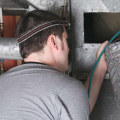
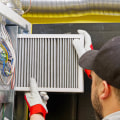
When it comes to maintaining a healthy home environment, vent cleaning is a topic that often gets overlooked. Many homeowners are unaware of the significance of keeping their air ducts and vents clean, which can lead to a range of issues, from poor air quality to increased energy costs. Understanding what vent cleaning entails and why it matters is crucial for anyone looking to enhance their living space.
Vent cleaning
refers to the process of removing dust, debris, and other contaminants from your home’s ventilation system. This includes not only the ducts themselves but also the vents and registers where air enters and exits each room.
Over time, these areas can accumulate a significant amount of dirt and allergens, which can negatively impact the air quality in your home. Poor air quality can exacerbate respiratory issues, trigger allergies, and even contribute to long-term health problems.Moreover, regular maintenance of your ventilation system is an essential aspect of home upkeep. Just as you would change the oil in your car or clean your gutters, ensuring that your vents are free from obstructions is vital for optimal performance. A clean ventilation system allows for better airflow, which can lead to improved energy efficiency.
This means that your heating and cooling systems won’t have to work as hard to maintain comfortable temperatures, potentially saving you money on utility bills.In summary, duct cleaning is not merely a cosmetic task; it plays a significant role in maintaining a healthy home environment and ensuring the efficiency of your HVAC system. As we delve deeper into this topic, we will explore common myths surrounding vent cleaning and clarify what homeowners should know before making decisions about their air quality and maintenance practices.
Common Myths About Duct Cleaning
When it comes to duct cleaning, many homeowners are often misled by common myths that can cloud their judgment. Understanding these misconceptions is essential for making informed decisions about your home’s air quality and maintenance.Myth 1: Duct Cleaning Improves Health
One of the most prevalent myths is that cleaning your air ducts will significantly enhance your health. While it’s true that allergens and irritants can accumulate in ducts, there is no conclusive evidence that cleaning them leads to measurable health improvements.
In fact, some studies suggest that the process of duct cleaning can stir up dust and other particles, potentially worsening air quality temporarily.
Myth 2: Duct Cleaning Eliminates Odors
Another common belief is that vent cleaning will eliminate persistent odors in your home. While cleaning ducts may help remove some sources of odor, it is not a guaranteed solution. Odors often originate from other areas, such as mold growth or pet dander, which may not be addressed by simply cleaning the ducts. Moreover, turning on your HVAC system can sometimes exacerbate these smells by circulating them throughout your home.
Myth 3: Duct Cleaning is Necessary for Energy Efficiency
Many people think that dirty ducts lead to higher energy bills due to reduced efficiency.
However, the majority of energy loss in heating and cooling systems is attributed to equipment inefficiency and poor insulation rather than dirty ducts. Regular maintenance of your HVAC system and changing air filters are far more effective strategies for improving energy efficiency.
Myth 4: All Duct Cleaning Services are the Same
The duct cleaning industry is not regulated uniformly, leading to significant variations in service quality. Some companies may use aggressive marketing tactics to promote their services without providing substantial benefits. It’s crucial to research and choose a reputable service provider who adheres to industry standards.
Myth 5: Duct Cleaning Should Be Done Regularly
While some companies recommend frequent duct cleaning as a routine maintenance task, this is often unnecessary for most homeowners.
The Environmental Protection Agency (EPA) does not endorse regular duct cleaning unless there are specific issues such as mold growth or pest infestations. Instead, focus on maintaining your HVAC system and changing filters regularly.By debunking these myths surrounding duct cleaning, homeowners can better understand when and if they should consider this service. Making informed choices will ultimately lead to improved air quality and a healthier living environment.
The Science Behind Air Quality and Duct Cleaning
Understanding the relationship between air quality and duct cleaning requires a closer look at the science behind indoor air pollutants and their sources. Numerous studies have shown that indoor air can be significantly more polluted than outdoor air, primarily due to the accumulation of dust, allergens, and other contaminants within our living spaces.One of the primary concerns regarding dirty ducts is their potential to harbor allergens such as dust mites, mold spores, and pet dander.These particles can circulate through the air when the heating or cooling system is in operation, potentially exacerbating respiratory issues for sensitive individuals. However, it is essential to note that while these contaminants may reside in ducts, their presence does not automatically correlate with health problems.Research conducted by the Environmental Protection Agency (EPA) indicates that while duct cleaning can remove some of these particles, it does not necessarily lead to a measurable improvement in indoor air quality. In fact, the act of cleaning ducts can sometimes disturb settled dust and allergens, temporarily increasing their concentration in the air. This phenomenon raises questions about the effectiveness of duct cleaning as a preventive measure against health issues.Moreover, a study published in the Journal of Occupational and Environmental Medicine found no significant evidence linking duct cleaning to improved health outcomes for individuals with asthma or allergies.
The researchers concluded that while maintaining clean air filters and ensuring proper ventilation are crucial for good air quality, duct cleaning should not be viewed as a panacea for respiratory ailments.To further complicate matters, many homeowners are unaware that most indoor air quality problems stem from sources other than dirty ducts. Common culprits include:
- Poor ventilation: Inadequate airflow can trap pollutants indoors.
- Household chemicals: Cleaning products, paints, and other chemicals can release volatile organic compounds (VOCs) into the air.
- Mold growth: Moisture issues can lead to mold proliferation in various areas of the home.
When Is Duct Cleaning Necessary?
Understanding when duct cleaning is necessary can help homeowners make informed decisions about their indoor air quality.While regular maintenance is essential, there are specific scenarios where duct cleaning becomes crucial.
Signs You Need Duct Cleaning
Several indicators suggest that it may be time to consider duct cleaning:- Visible Dust and Debris: If you notice a significant buildup of dust around your home, particularly near vents or registers, this could indicate that your ducts are clogged. Dust accumulation can lead to poor air quality and should be addressed promptly.
- Unpleasant Odors: Foul smells emanating from your vents can signal the presence of mold, mildew, or other contaminants within the ductwork. If you detect persistent odors that worsen when the HVAC system is running, it’s time to investigate further.
- Increased Allergies or Respiratory Issues: If you or your family members experience heightened allergy symptoms or respiratory problems, dirty ducts may be a contributing factor. While duct cleaning alone may not resolve these issues, it can help reduce the presence of allergens in your home.
- Mold Growth: The presence of mold in your ducts is a serious concern.
Mold thrives in damp environments, and if you suspect mold growth, it’s essential to address it immediately. A professional duct cleaning service can assess the situation and recommend appropriate remediation steps.
When to Consider Duct Cleaning
While the above signs are critical indicators, there are additional circumstances where duct cleaning may be warranted:- After Renovations: Home renovations can generate a significant amount of dust and debris. If you've recently completed a remodeling project, consider having your ducts cleaned to remove any residual particles that could affect air quality.
- New Home Purchase: If you’ve recently moved into a new home, especially one that has been vacant for an extended period, it’s wise to have the ducts inspected and cleaned. This ensures that you start with a clean slate regarding indoor air quality.
- Pest Infestations: If you’ve had issues with pests such as rodents or insects in your home, they may have made their way into your ductwork.
Cleaning the ducts can help eliminate any remnants and prevent future infestations.
Alternatives to Duct Cleaning for Improving Air Quality
When it comes to enhancing indoor air quality, there are several effective alternatives to duct cleaning that homeowners can implement. These proactive measures not only help maintain a healthier living environment but also address common air quality issues without the need for extensive ductwork interventions.1.Regular Air Filter Maintenance
- One of the simplest yet most impactful steps you can take is to regularly change your air filters. Depending on the type of filter and your home’s specific conditions, filters should typically be replaced every 1 to 3 months.
- Using high-efficiency particulate air (HEPA) filters can significantly improve air quality by trapping smaller particles, including dust, pollen, and pet dander.
- Be sure to check your filters monthly, especially during peak usage seasons, and replace them as needed to ensure optimal airflow and filtration efficiency.
2.Enhance Ventilation
- Proper ventilation is crucial for maintaining good indoor air quality.
Ensure that your home is well-ventilated by opening windows when weather permits and using exhaust fans in kitchens and bathrooms to remove moisture and odors.
- Consider installing an energy recovery ventilator (ERV) or a heat recovery ventilator (HRV) to bring in fresh outdoor air while minimizing energy loss.
3.Control Humidity Levels
- High humidity can lead to mold growth and dust mite proliferation, both of which can negatively impact air quality. Use dehumidifiers in damp areas of your home, such as basements, to keep humidity levels between 30% and 50%.
- Regularly check for leaks or water damage that could contribute to excess moisture and address these issues promptly.
4.Regular Cleaning Practices
- In addition to changing air filters, regular cleaning of your home can help reduce dust and allergens. Vacuum carpets and upholstery frequently using a vacuum equipped with a HEPA filter.
- Dust surfaces with a damp cloth to prevent particles from becoming airborne, and wash bedding regularly in hot water to eliminate dust mites.
5.Monitor Indoor Air Quality
- Investing in an indoor air quality monitor can provide valuable insights into the levels of pollutants in your home. These devices can help you identify specific issues that may need addressing, such as elevated levels of carbon dioxide or volatile organic compounds (VOCs).
- By staying informed about your indoor air quality, you can take targeted actions to improve it effectively.
Implementing these strategies not only promotes a healthier living environment but also contributes to the longevity of your HVAC system.
The Role of HVAC Systems in Air Quality Management
HVAC systems play a crucial role in maintaining indoor air quality and ensuring energy efficiency within homes. Understanding how these systems function can empower homeowners to make informed decisions that enhance both their comfort and health.Understanding HVAC Systems
HVAC stands for Heating, Ventilation, and Air Conditioning. These systems are designed to regulate temperature, humidity, and air quality in residential and commercial spaces. A well-functioning HVAC system not only keeps your home comfortable but also contributes significantly to the overall air quality.
The Impact of HVAC on Indoor Air Quality
Indoor air quality (IAQ) is influenced by various factors, including the presence of pollutants, humidity levels, and ventilation.
HVAC systems help manage these elements by:
- Filtering Air: Most HVAC systems are equipped with filters that capture dust, allergens, and other particulates. Regularly changing these filters is essential to maintain optimal air quality.
- Controlling Humidity: Proper humidity levels are vital for preventing mold growth and maintaining comfort. HVAC systems can help regulate humidity through dehumidification processes.
- Ventilation: Effective ventilation is key to reducing indoor pollutants. HVAC systems facilitate the exchange of stale indoor air with fresh outdoor air, which is crucial for maintaining a healthy living environment.
Energy Efficiency in HVAC Systems
In addition to improving air quality, energy efficiency is a significant consideration for homeowners.
An efficient HVAC system can lead to substantial savings on energy bills while minimizing environmental impact. Here are some ways to enhance energy efficiency:
- Regular Maintenance: Routine inspections and maintenance can prevent costly repairs and ensure that the system operates at peak efficiency.
- Upgrading Equipment: Investing in modern, energy-efficient HVAC units can significantly reduce energy consumption compared to older models.
- Smart Thermostats: Utilizing smart thermostats allows homeowners to optimize heating and cooling schedules based on their lifestyle, further enhancing energy savings.
Frequently Asked Questions About Duct Cleaning
When it comes to duct cleaning, many homeowners have questions and concerns that can lead to confusion. Below are some of the most frequently asked questions regarding vent cleaning, along with clear and informative answers.1.How often should I have my ducts cleaned?
The frequency of duct cleaning largely depends on various factors, including your location, the presence of pets, and whether anyone in your home suffers from allergies or respiratory issues.Generally, it is recommended to have your ducts cleaned every 3 to 5 years. However, if you notice excessive dust buildup or experience persistent odors, it may be time for a cleaning sooner.
2.What are the signs that my ducts need cleaning?
- Visible dust: If you can see dust accumulating around your vents or on your furniture, it may indicate that your ducts are dirty.
- Unpleasant odors: Foul smells emanating from your vents can suggest mold or other contaminants in your ductwork.
- Increased allergy symptoms: If you or your family members experience heightened allergy symptoms when the HVAC system is running, it could be due to dirty ducts.
3.Is duct cleaning worth the cost?
The value of duct cleaning can vary based on individual circumstances. For some homeowners, especially those with specific health concerns or significant dust buildup, the investment may be worthwhile. However, for others without these issues, regular maintenance such as changing air filters may suffice.4.Can duct cleaning improve my energy efficiency?
While some companies claim that duct cleaning can enhance energy efficiency by allowing air to flow more freely, studies show that the majority of energy loss in heating and cooling systems is due to equipment inefficiency rather than dirty ducts.Therefore, while clean ducts can contribute to better airflow, they are not a guaranteed solution for reducing energy bills.
5.What should I look for in a duct cleaning service?
When selecting a duct cleaning service, consider the following:- Certification: Ensure the company is certified by a recognized organization such as the National Air Duct Cleaners Association (NADCA).
- Experience: Look for companies with a proven track record and positive customer reviews.
- Transparent pricing: A reputable company should provide clear pricing without hidden fees.
Conclusion: Making Informed Decisions About Duct Cleaning
In summary, understanding the realities of duct cleaning is crucial for homeowners who want to maintain a healthy living environment. Throughout this article, we have explored various myths and misconceptions that often cloud judgment when it comes to the necessity and effectiveness of duct cleaning services.One of the most significant takeaways is that while vent cleaning can be beneficial in specific situations, such as when there is visible mold or an infestation of pests, it is not a universal solution for improving indoor air quality or alleviating health issues. The belief that simply cleaning air ducts will lead to a healthier home is misleading and unsupported by scientific evidence.Moreover, the notion that dirty ducts are the primary source of allergens and irritants in the home has been debunked. Regular maintenance practices, such as changing air filters and ensuring proper ventilation, play a more critical role in maintaining air quality than duct cleaning alone.Homeowners should prioritize these routine tasks over expensive duct cleaning services unless there are clear indications that such services are necessary.Additionally, it is essential to be cautious of marketing claims made by duct cleaning companies. Many promote their services by suggesting significant health benefits or energy savings without substantial evidence to back these assertions. As consumers, we must approach these claims with skepticism and seek out reliable information before making decisions.Ultimately, the decision to pursue duct cleaning should be based on individual circumstances rather than widespread myths. Consulting with professionals who can provide a thorough assessment of your home’s air quality and specific needs is advisable.
By doing so, you can make informed choices that truly benefit your household.In conclusion, separating fact from fiction regarding duct cleaning empowers homeowners to take control of their indoor air quality effectively. By focusing on proven methods and being aware of the limitations of duct cleaning, you can create a healthier living space for you and your family.